See Unsee summary
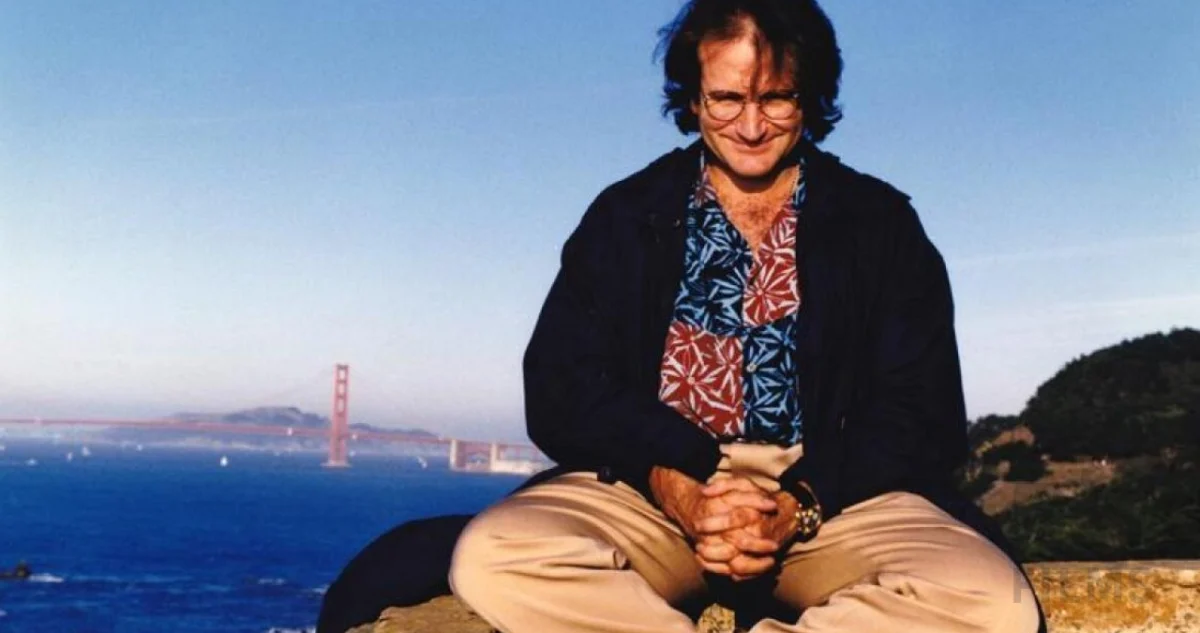
Zelda Williams, daughter of the late Robin Williams, has made a clear and emotional request: stop using artificial intelligence to recreate her father. In a heartfelt message shared on Instagram, she called out these AI-generated videos as “gross” and disrespectful, showing the deep discomfort these digital imitations cause for her and many others.
A daughter faced with digital ghosts
Zelda Williams, who recently stepped into the director’s chair with Lisa Frankenstein, took to Instagram to address a growing phenomenon on the internet: AI-generated videos of her father, Robin Williams. These clips, which use artificial intelligence to mimic his voice, face, and gestures, aim to “bring him back” for a few seconds—but at what cost?
In her words, there’s no nostalgia here. Only frustration. “Stop believing I wanna see it or that I’ll understand, I don’t and I won’t,” she wrote, cutting through the noise of fans who may mean well but forget that what’s entertaining to one person can be deeply painful for another. For Zelda, these videos aren’t tributes. They’re distortions. “If you’ve got any decency, just stop doing this to him and to me, to everyone even,” she added.
Her words hit hard because they come from someone living at the heart of this grief, someone who knew the man behind the legend, not just the voice behind the Genie or the face from Good Will Hunting. To read Gwen Stefani headlines magical 2025 Disney Christmas Parade
An ethical tightrope for entertainment
Zelda’s criticism goes beyond her own experience. It’s also a broader commentary on how technology, without restraint, risks flattening complex human realities into bite-sized, viral content.
She writes, with brutal honesty: “You’re not making art, you’re making disgusting, over-processed hotdogs out of the lives of human beings.” It’s a graphic image, but an accurate one in a world where deepfakes and AI emulations are being used to create versions of stars that never consented to their likenesses being treated this way.
This touches on a debate that’s only just begun in Hollywood: where is the line between innovation and exploitation? The recreations of actors and musicians—some long dead, others very much alive—wind up circulating wildly, divorced from context, permission, or meaning. And when that person is your father, the pain cuts even deeper.
The broader industry backlash
Zelda’s message comes just as the industry itself is beginning to push back. SAG-AFTRA, the powerful actors’ union, has recently voiced concern over a virtual actress named Tilly Norwood, created entirely by AI. Meanwhile, OpenAI’s launch of its new video app, Sora 2, has stirred controversy over how easily it can replicate people’s appearance and voice, raising serious questions about consent and intellectual property.
Faced with rising tension, OpenAI’s CEO Sam Altman has promised more tools to help protect rights holders—such as actors and creators whose work and face are now part of a vulnerable digital library. But promises don’t erase the fact that the issue is already present. For many artists, these questions are no longer theoretical; they’re deeply personal. To read Toho expands into Europe with bold anime distribution moves
Zelda, outspoken and unapologetic, goes even further. Her final words in this post are an indictment of a trend she considers hollow and regressive: “Stop calling it ‘the future.’ AI is just badly recycling and regurgitating the past to be re-consumed.” Then comes the harsh metaphor: “You are taking in the Human Centipede of content… all while the folks at the front laugh and laugh, consume and consume.” Behind the bitterness is something that resembles mourning—a warning that we are consuming our culture in loops, without invention or soul.
A question of legacy and respect
What Zelda is asking isn’t complicated: she’s asking for respect. Not only for Robin Williams, but for all artists whose lives shouldn’t be reduced to algorithmic assembly lines. Her words are powerful because they come from grief, but they resonate far beyond her. They speak to everyone concerned with how we remember, how we honor, and how we move forward.
I read her post and couldn’t help but think about the first time I saw Robin Williams on screen. For me, it was in Dead Poets Society. That mixture of warmth and chaos, energy and depth—that’s not something an algorithm can recreate. Not really. Because it wasn’t just his voice, or his face, or even the timing of his jokes. It was everything behind it. A spark of life that AI just can’t fake.
If you’re wondering where the limits of tech should be drawn, this story — and Zelda’s courage in telling it — point to a very human answer.
A few takeaways from Zelda Williams’ statement:
- AI recreations may seem like homage, but can deeply hurt loved ones.
- There’s no consent from the individual being mimicked — especially when they’ve passed away.
- The entertainment industry is waking up to the ethical dangers of these tools.
- True art comes from lived experience, not processed patterns.
- Sometimes, choosing not to use technology is the most respectful decision.
