
See Unsee summary
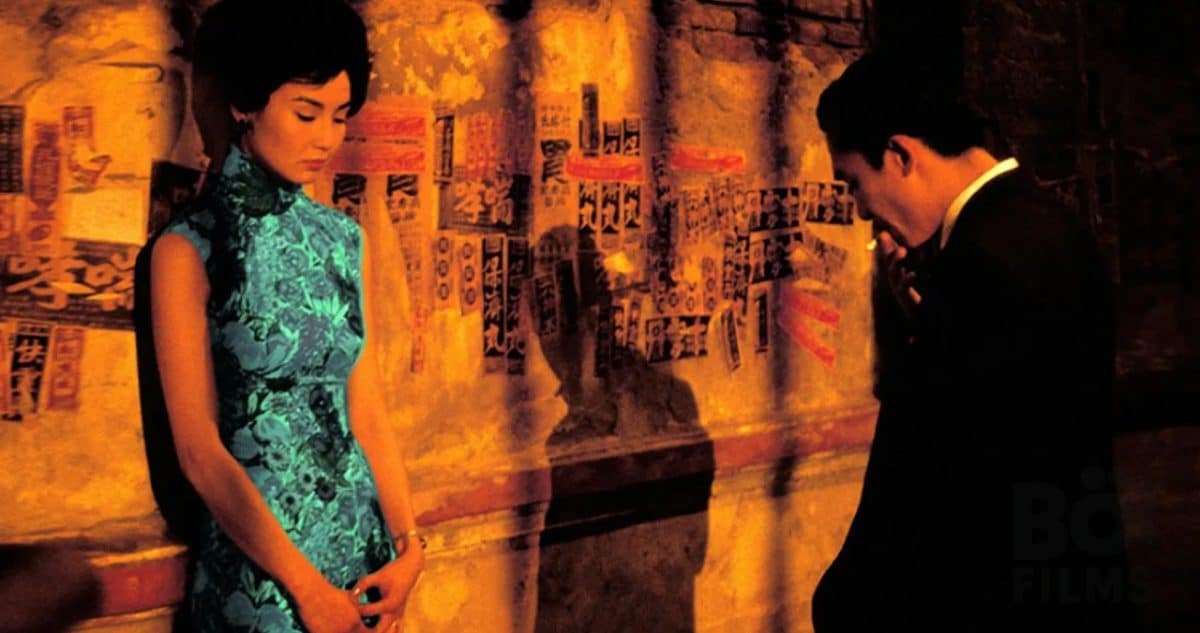
In May 2000, the Cannes Film Festival witnessed the premiere of Wong Kar-wai’s masterpiece, “In the Mood for Love.” Despite a rushed completion, the film captivated audiences with its poignant storytelling and visual elegance, becoming an instant sensation and leaving a lasting impact on cinema lovers worldwide.
The Film’s Journey to Cannes
The film’s journey to Cannes was nothing short of a cinematic adventure. Wong Kar-wai, known for his meticulous approach, faced the challenge of finishing the film just in time for its debut at the 53rd Cannes Film Festival. His dedication paid off, as the film quickly became a talking point among critics and festival-goers alike. The director’s unique style, characterized by sumptuous visuals and a hauntingly beautiful narrative, resonated deeply with viewers.
The Power of Subtlety
What struck me most about “In the Mood for Love” was its ability to convey complex emotions through subtle gestures and unspoken words. The chemistry between the lead actors, Tony Leung and Maggie Cheung, was palpable and added a layer of authenticity to their characters’ restrained romance. It’s one of those rare films where every glance and every silence speaks volumes.
Key Highlights of the Film
Key highlights that contributed to its success include: To read Charlize Theron and Taron Egerton face off in 2026’s Apex trailer
- A mesmerizing score that enhanced the film’s emotional depth
- Exquisite cinematography that captured the essence of 1960s Hong Kong
- A narrative that explored themes of love, longing, and missed opportunities
Legacy and Influence
“In the Mood for Love” didn’t just make waves at Cannes; it went on to influence filmmakers around the globe. Its distinct aesthetic and storytelling approach have inspired countless directors, further cementing Wong Kar-wai’s legacy in cinema. As someone who grew up with a passion for films, witnessing such artistry is both exhilarating and inspiring.