
See Unsee summary
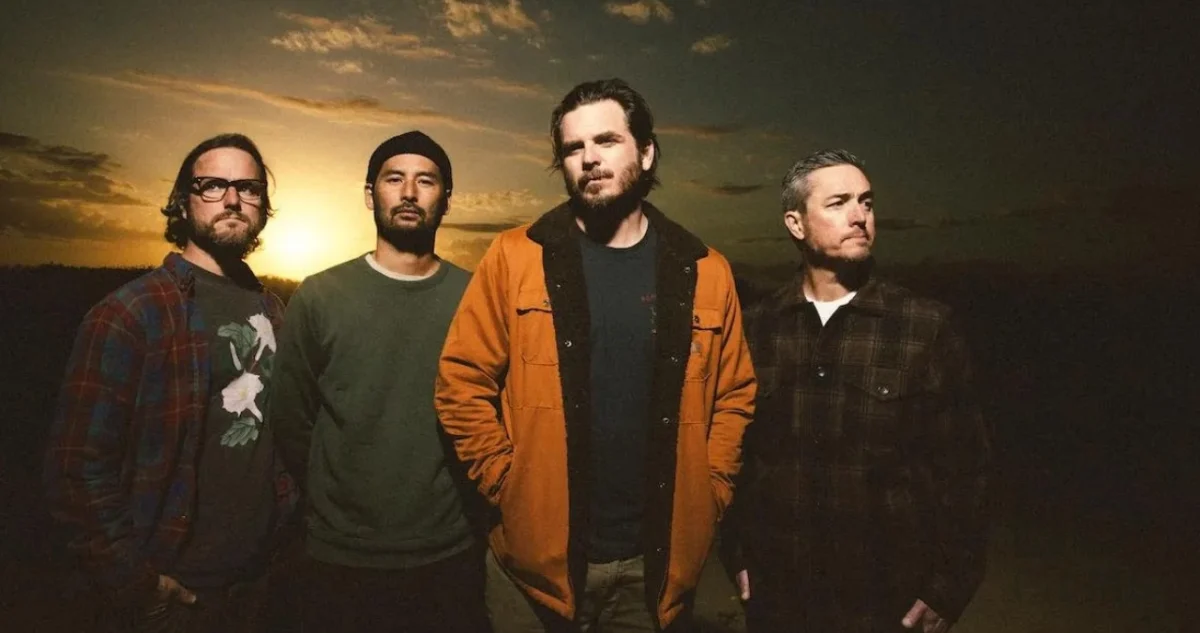
After 25 years of pushing the boundaries of post-hardcore, Thrice returns this fall with their 12th studio album, Horizons/West, set to release on October 3 via Epitaph Records. Both a reflection and renewal, this new chapter brings together the intensity, emotion, and musicianship that have defined the band since their early days.
A milestone release with deep roots
Horizons/West arrives as the companion album to 2021’s Horizons/East, forming a thoughtful diptych that spans both sonic evolution and personal themes. Originally expected sooner, the sequel was delayed to make space for a nostalgic celebration: the 20th anniversary of The Artist in the Ambulance, Thrice’s breakout 2003 album. In 2023, they re-recorded it entirely and hit the road, playing sold-out shows across the U.S. and Europe. For fans like me who discovered them during those early 2000s years, it was a blast of memory and energy—a reminder of why this band still matters.
The new record features standout tracks including “The Dark Glow,” “Distant Suns,” “Vesper Light,” and their heaviest offering in years, “Gnash.” That last one especially grabbed me: a track that jolts you back to the band’s more aggressive roots, while still carrying the nuance they’ve developed over time. It’s as if the chaotic urgency of the past meets the control and confidence of the present.
From earnest beginnings to quiet innovation
Thrice’s story began in Orange County, California, and their climb has been anything but linear. Their early releases, Identity Crisis (2000) and The Illusion of Safety (2002), caught fire quickly, bringing them a devoted fanbase and a major-label deal. The Artist in the Ambulance (2003) became a touchstone for the post-hardcore genre. But instead of repeating that formula, the band followed their instincts. To read Gwen Stefani headlines magical 2025 Disney Christmas Parade
Vheissu (2005) marked a turning point. Electronics, unorthodox structures, and poetic lyricism entered the mix. That record still holds a strange beauty—cold, spiritual, patient. Then came The Alchemy Index (2007–2008), a sprawling four-part concept project inspired by the elements of fire, water, air, and earth. It was ambitious but rooted in the band’s growing belief that music should challenge you, not comfort you.
Even now, the idea of continuing The Alchemy Index hovers in the air. Frontman Dustin Kensrue has acknowledged it’s something they think about—and it’s easy to imagine how this band might revisit that landscape with today’s maturity.
Never chasing the trend
What’s unique about Thrice is that, while their sound has shifted dramatically over the years, their integrity hasn’t. They’ve refused the safety of nostalgia or the pressure to conform to a single style. Albums like Beggars (2009) and Major/Minor (2011) explored rawness and restraint in new ways. Then came a hiatus in 2012 that felt, for a while, like a full stop.
But they returned in 2016 with the thunderous To Be Everywhere Is to Be Nowhere. That record gave them a second wind, especially with the track “Black Honey,” which ended up being used by WWE and proved they could still strike a chord far beyond the core scene. It was the sound of a band rediscovering its voice—with grit, with purpose.
A mature, introspective sound
In Horizons/West, we find a Thrice that listens to each other more than ever. The songs emerged from collective writing sessions, where instruments were swapped and boundaries blurred. The result is an album that feels both layered and spontaneous, with bassist Eddie Breckenridge’s melodic drive and Teppei Teranishi’s intricate guitar lines weaving seamlessly under Dustin Kensrue’s versatile vocals. To read Toho expands into Europe with bold anime distribution moves
The record was mixed by Scott Evans, who leans into a dense, bass-heavy atmosphere that anchors the emotional highs and lows. At times, it’s meditative. At others, it surges forward like a wave you didn’t see coming. Listening to Horizons/West feels like revisiting old friends who now speak with deeper wisdom.
For longtime listeners, there are echoes from nearly every era:
- The brash urgency of their early 2000s days
- The cinematic mood of Vheissu and The Alchemy Index
- The sharp commentary of their post-hiatus albums
But this isn’t just a retrospective. It’s a synthesis.
Still rare, still relevant
Unlike many bands of their generation, Thrice has kept the same lineup: Kensrue, Teranishi, and brothers Eddie and Riley Breckenridge. That stability shows—not just in how tight they sound, but in the way they evolve together. There’s no ego chasing a spotlight, just a unit refining its voice year after year.
Curiously, despite their lasting influence, Thrice has stayed mostly off Hollywood’s radar. Aside from Margot Robbie—yes, Harley Quinn herself—mentioning them in an interview, and a few visual Easter eggs in shows like It’s Always Sunny in Philadelphia, they’ve remained out of film and TV soundtracks. I’ve always found that surprising. Their music is cinematic. Emotional. Exactly what you’d want in a powerful scene. Maybe with Horizons/West, that will change.
Looking ahead
Thrice doesn’t show any signs of slowing down. After 25 years, they’re still driven by curiosity, craft, and the loyalty of a fanbase that has grown with them. Horizons/West is proof that growth doesn’t mean leaving things behind. It means adding layers to an already rich foundation.
Listening to this album, I felt the same pull I did when I first discovered them in my late teens. Thrice has changed, yes—but in the best way possible: they’ve grown without ever losing their fire.
