
See Unsee summary
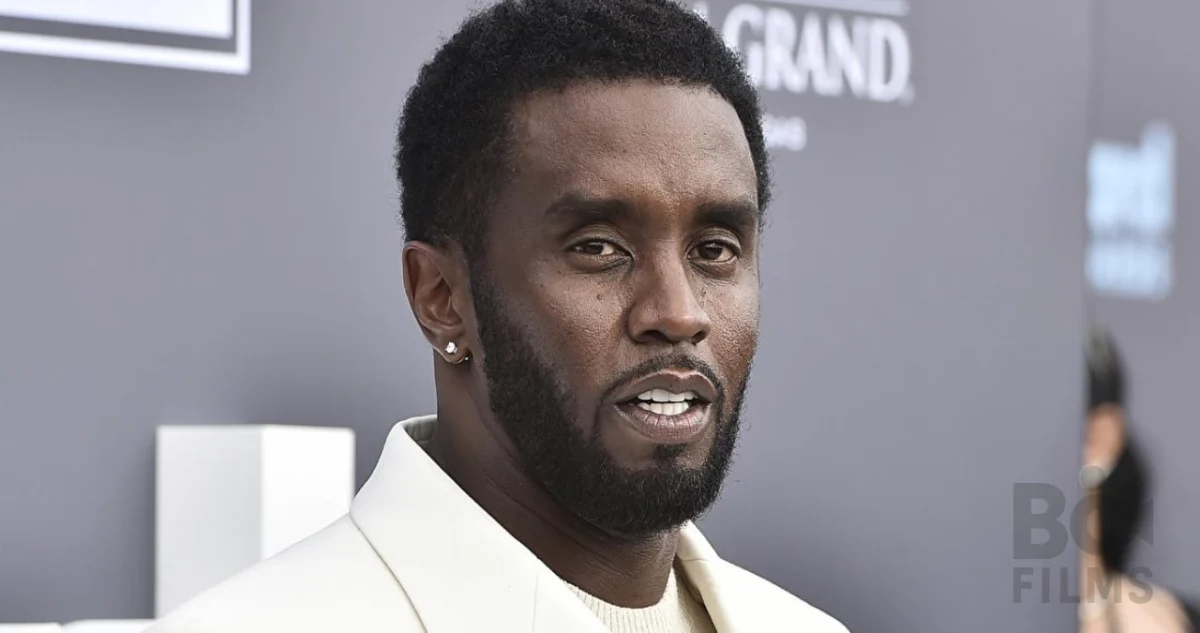
Music mogul Sean “Diddy” Combs has been sentenced to four years and two months in federal prison after being found guilty on two counts of transporting individuals for prostitution purposes. The verdict follows a tense and widely publicized trial in New York that spanned eight weeks and featured disturbing testimonies and intense media scrutiny.
A trial marked by gravity and star power
The court case against Combs wasn’t just another headline for tabloids. It was a sober look at a powerful figure in the entertainment industry facing serious legal consequences. While he was acquitted of the heavier charges like sex trafficking and racketeering, the jury still found enough evidence to convict him under the Mann Act, a law from 1910 that criminalizes the transport of individuals across state lines for illegal sexual activity.
Federal prosecutors pushed hard. They asked for more than a decade in prison and a $500,000 fine, arguing that Combs had manipulated his fame and power to run a network of abuse disguised as lavish parties. The prosecution painted a picture of calculated coercion, where young women—often under heavy influence—were brought to what they called “freak-off” parties involving male sex workers. Prosecutors emphasized the broader pattern, citing abuse, drug use, and disturbing behavior even during Combs’ custody.
The defense, in contrast, argued for a significantly lighter sentence. They contested the scope and language of the charges, pointing toward a narrow legal reading. They asked for no more than 14 months behind bars. But Judge Arun Subramanian didn’t agree. Not only did he uphold the conviction, he also denied the defense’s motion to vacate it. To read Gwen Stefani headlines magical 2025 Disney Christmas Parade
Testimonies that changed everything
Two women stood at the emotional heart of the trial: Casandra Ventura, a recording artist and longtime partner of Combs, and another woman only known as Jane Doe. Their testimonies were hard to hear and even harder to forget.
Ventura detailed years of control, threats, forced sexual encounters, and psychological manipulation. She said it began when she was just 19. Her testimony was graphic and painful, describing experiences at private parties where drugs and fear were used to break down resistance. Ventura, who had filed a civil lawsuit against Combs in 2023 that was later settled, chose to speak again before a criminal court.
Jane Doe also spoke of violence and fear. She echoed Ventura’s description of Combs’ private world, one ruled not by luxury but domination. Their words were chilling, and as a viewer of both film and real-world drama, I couldn’t help but think of how often truth is stranger—and more haunting—than fiction.
Combs’ words and an admission too late
During sentencing, Combs addressed the court in writing, offering something that could be viewed as regret. “The old me died in jail and a new version of me was reborn,” he said. He framed his incarceration as a turning point, a dark journey leading toward some kind of moral rebirth. He openly apologized for his assault on Ventura at a Los Angeles hotel in 2016.
But remorse is complicated. Especially when it arrives after years—years during which dozens of people stayed silent or were silenced. That line about prison changing you or killing you… it sticks with you. But it doesn’t undo the harm. To read Toho expands into Europe with bold anime distribution moves
His legacy in question
This conviction doesn’t just come with prison time. It casts a shadow over one of hip-hop’s most influential careers. As founder of Bad Boy Records, Combs defined an era of music in the ’90s and early 2000s. He shaped artists, launched empires, walked runways, and turned himself into a symbol of ambition and success.
Now?
He faces over a dozen pending civil suits tied to his past behavior. Everything he built is being reexamined. And not just by lawyers or plaintiffs, but by fans, collaborators, and the industry trying—however imperfectly—to reckon with its blind spots.
Here’s a look at what still lies ahead:
- More than 12 civil cases against Combs are currently active
- Some cases involve former employees who claim they witnessed or were victimized by abuse
- Ongoing federal investigations may lead to new charges, depending on what surfaces
What hit me hardest wasn’t just the sentence or even the trial’s outcome. It was the reminder that fame can build walls around even the darkest truths. And yet eventually, those walls crack. Not always, not easily, but they do. For those of us who’ve watched Combs’ rise over decades—from MTV glitz to Grammy glamour—it’s not easy to square that image with the one painted in court. But that discomfort is necessary. And probably long overdue.
