
See Unsee summary
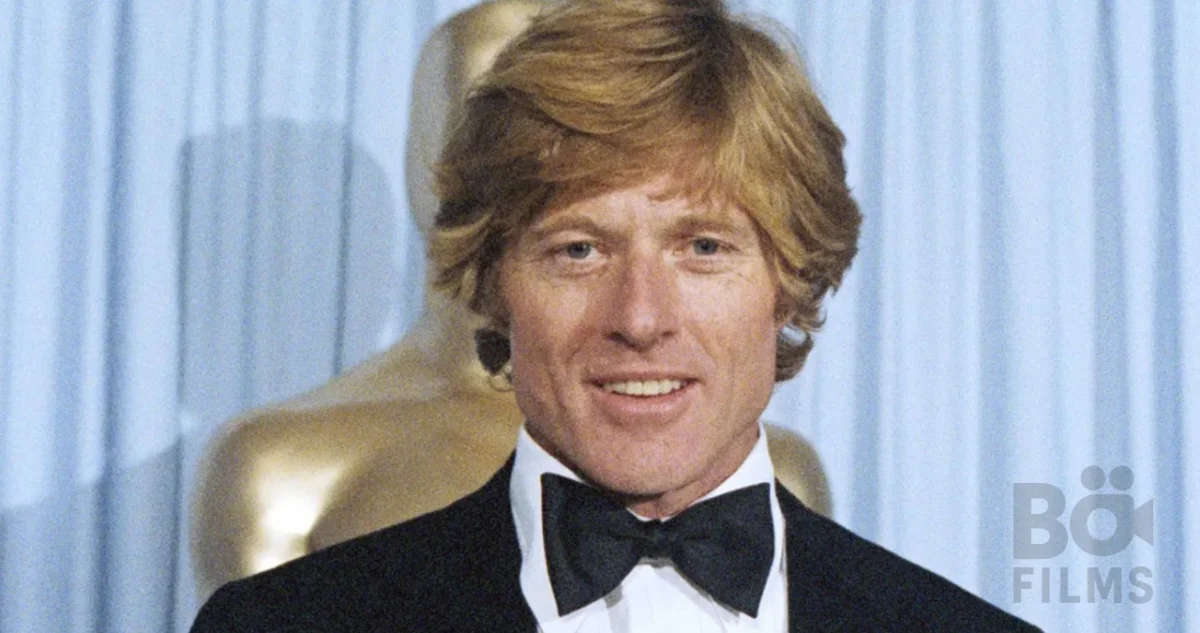
Robert Redford reshaped American cinema as actor, director, and Sundance founder, marrying star power with integrity. In a rare 2014 interview, he retraced a life of risk, activism, and craft. From Butch Cassidy to Ordinary People and All Is Lost, his choices challenged Hollywood, even as Sundance’s growth troubled him.
A candid encounter in 2014
Journalist Stephen Galloway met Redford in New York for a two-and-a-half-hour conversation that felt like a long, unhurried glide through a restless life. Redford, often rumored to be tardy, arrived on time, casually dressed, sharp and generous with stories. The mood was relaxed, the answers disarmingly direct.
Hearing him reflect on risk, doubt, and fragile luck of a career made me think of how seldom movie legends let their guard down. That day he did, and you could feel the discipline behind the nonchalance, the craft behind the charm.
Restless beginnings, a hunger for freedom
Redford grew up in a working-class Santa Monica family, already pushing against the edges of his world. He wanted out, any direction, as long as it felt free. Paris and painting called first, but after leaving the University of Colorado, acting found him and opened a new path. To read Charlize Theron and Taron Egerton face off in 2026’s Apex trailer
Television gave him early rooms to stretch in, including the Twilight Zone episode Nothing in the Dark. Then came Inside Daisy Clover in 1965, where he played a bisexual actor. For the era, that was not a quiet choice. Even on the way up, he preferred risk over comfort.
Breakthroughs and the Newman spark
Barefoot in the Park on stage, then on screen with Jane Fonda, announced Redford as a lead who could pull you in without seeming to try. The charm looked effortless, the timing precise. It set up the leap he was about to take.
Butch Cassidy and the Sundance Kid in 1969 turned him into a phenomenon. The studio resisted him, but Paul Newman pushed hard for Redford as Sundance, and their off-screen trust became on-screen electricity. Pauline Kael later called Redford a natural movie actor. Watching them together still feels like catching lightning in a bottle.
The 1970s, built with purpose
The decade that followed became Redford’s canvas. The Sting re-teamed him with Newman and bottled that playful confidence. The Candidate and The Way We Were showed an actor comfortable with romance and politics, fame and doubt, sometimes all at once.
All the President’s Men was his crusade. Redford optioned the Woodward and Bernstein story early, helped shape the script, and worked closely with Alan J. Pakula to protect the film’s rigor. It is a thriller without gunshots, powered by pencils, phones, and the courage to keep calling back. I first saw it on a small screen, and it still felt ten feet tall. To read Ranking Shyamalan’s Hits: Which Film Defines His Legacy?
A director with a quiet hand
When Redford moved behind the camera, he brought the same restraint. Ordinary People, his debut, won him the Oscar for Best Director in 1980 and drew shattering performances from Mary Tyler Moore and Donald Sutherland. You feel the spaces between words, the careful framing of grief.
He returned to that patient, human scale with A River Runs Through It in 1992 and Quiz Show in 1994. The films are graceful, attentive to moral ambiguity and memory. Redford’s direction trusts the audience, which might be why those images linger the way old songs do.
Doubt as discipline
Redford sometimes wavered before stepping into a role. On Indecent Proposal in 1993, he nearly left, convinced he was wrong for it. Producer Sherry Lansing persuaded him to stay, and he found the character in understatement, especially in the scene where he floats the one million dollar offer. Underplayed, almost gentle, it ends up chilling.
I have always liked that about him, the sense that confidence is a tool, not a mask. The hesitation reads as care.
Sundance, dream and friction
In the late 1970s, Redford built Sundance in Utah, first as a lab, then as a festival, a place where movies with no safety net could land. It grew into a launchpad for new voices, the rare spotlight that did not feel blinding at first.
Success changed the tone. Redford later admitted he missed the modest early years, the quieter rooms where discovery felt personal. Festivals grow, money follows, and the edges get crowded. You hear the disappointment, but also the pride in what Sundance made possible.
Redford’s touchstones
- Actor who became a producer and director without losing the curiosity of a beginner
- Partner and foil to Paul Newman in The Sting and Butch Cassidy and the Sundance Kid
- Architect of All the President’s Men, which set a standard for procedural thrillers
- Academy Award winner for directing Ordinary People
- Founder of Sundance, a cornerstone of independent film culture
Causes that outlast the credits
Redford’s public life did not stop at cinema. He backed environmental protection, supported Native American rights, and spoke up for LGBTQ communities. The engagement bled into his films, like Lions for Lambs in 2007, a clear critique of the Iraq War that refused to soften its questions.
In 2016, President Obama awarded him the Presidential Medal of Freedom. It felt right, an honor for a body of work measured in more than box office, even if he also made hits. You get the sense he took recognition as a reminder to keep pushing.
A late-career stillness
The Natural in 1984 is the mythic version of Redford, all glow and poise. Decades later, All Is Lost in 2013 is its echo, a solo performance stripped to breath and instinct. I remember holding my own breath during that film. He barely speaks, but the screen does not need words.
He even slipped into the Marvel machine with Captain America: The Winter Soldier in 2014, playing it cool beside Chris Evans without winking at the audience. His final onscreen appearance came in Dark Winds, Season 3, a quiet curtain on a restless career that kept asking for more from the medium, even when Hollywood wanted the easy version of him.
