
See Unsee summary
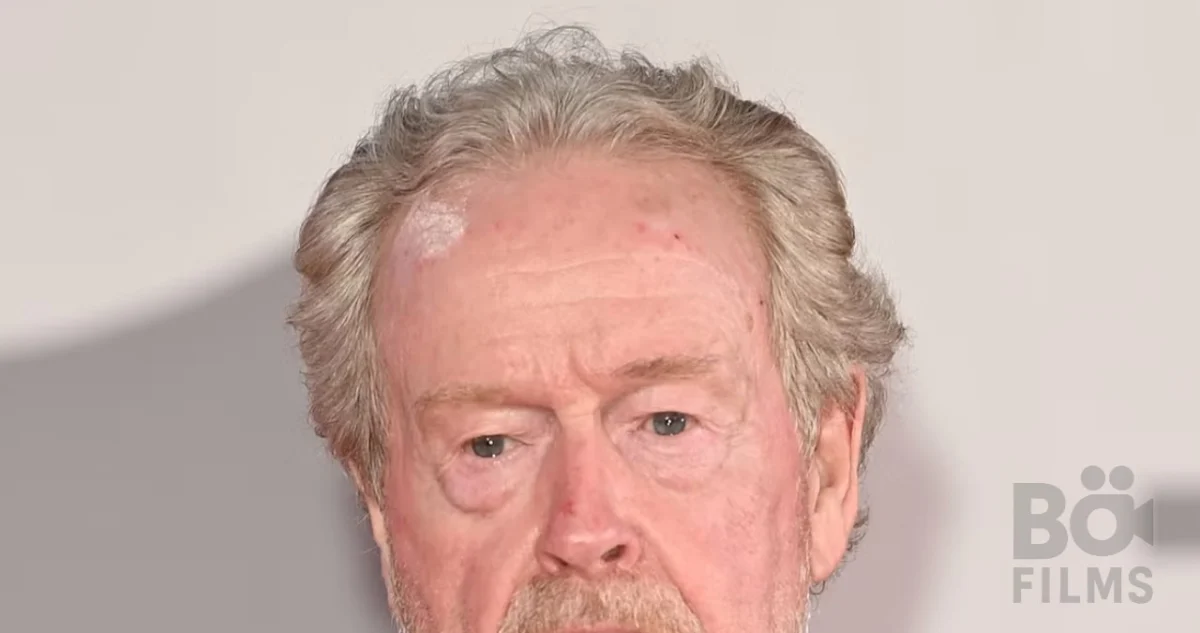
Ridley Scott, legendary director behind Alien, Gladiator, and Blade Runner, has spoken out about his growing disillusionment with modern cinema. In a conversation at BFI Southbank, the filmmaker admitted he now prefers to re-watch his own movies rather than the majority of recent releases, which he considers largely uninspired.
An industry drowning in content, not quality
Reflecting on the current state of cinema, Scott didn’t hold back. For him, the sheer flood of films being made today is part of the problem. “We’re drowning in mediocrity,” he said, estimating that only about 5 percent of new films reach what he would call a “great” standard. The rest? Somewhere between forgettable and frustrating.
He points to overloaded CGI and poor screenwriting as the main culprits. “What they haven’t got is a great script on paper first. Get it on paper,” he stressed. It’s refreshing, honestly, to hear a director of his caliber remind us of the simple truth: everything begins with the story. Visual effects might dazzle for a moment, but without a solid foundation, they rarely leave a lasting trace.
When you look at how screenwriting is increasingly sidelined in favor of spectacle, Scott’s frustration makes sense. I sometimes feel the same as a viewer. I leave the theater dazzled, sure, but the characters fade so quickly from memory. We’re missing that layer that sticks with you. To read Charlize Theron and Taron Egerton face off in 2026’s Apex trailer
Rediscovering his own films as a cinematic refuge
It’s rare to hear a director so openly revisit his own work — not out of ego, but almost out of necessity. “I’ve started to watch my own movies, and actually they’re really good,” Scott admitted. “They don’t age.”
He mentioned Black Hawk Down as a recent rewatch that surprised even him: “How the hell did I do that?” he laughed. There’s a mix of pride and disbelief in that question — something every creative person can relate to when looking back at their finest work.
That timeless feeling comes not only from great storytelling, but from how the film was made. Scott’s practical effects, attention to lighting, and choreographed action scenes give his older films a solidity that many recent blockbusters lack. There’s no chasing trends — just vision.
His throwback to Alien (1979) was also revealing. Despite being a now-iconic piece of science fiction, the shoot wasn’t smooth. He recalled fighting for creative control: “It was a pretty fraught experience. I had to literally draw the line in the sand and say, ‘Back off. Watch me do this, okay?’” It’s not just a director remembering the past — it’s an artist defending his instincts in a business that often resists them.
TV, talent spotting, and the evolution of casting
Amidst his critiques, Scott also shared how he keeps an eye on new talent, often through television. Paul Mescal, recently cast as the lead in Gladiator II, first caught his attention in the intimate BBC miniseries Normal People. That’s quite a leap — from low-key romance to Roman coliseums — but it shows Scott’s ability to spot potential where others might not. To read Ranking Shyamalan’s Hits: Which Film Defines His Legacy?
That surprised me too. Mescal’s performance in Normal People was introspective and fragile, a world away from the raw power associated with Gladiator. But now I’m intrigued. If Scott saw something there, maybe we’re in for a complex hero, not just a muscular one. That, in itself, is an exciting shift.
A director still fighting for cinema — in his own way
Despite his critiques, Scott remains intensely engaged with film as a craft. Here’s a man in his late 80s, still pushing boundaries, still insisting that cinema can do better. And when someone with his legacy talks about mediocrity, it’s worth listening.
His comments also highlight a larger frustration many of us feel as viewers. With so many films being released — especially through streaming platforms — real gems feel buried, or worse, rushed. It’s not cynicism, it’s care. He wants cinema to matter again.
For those interested, here are Ridley Scott’s touchstones for timeless filmmaking:
- Start with a great script — the visuals come later.
- Embrace practical effects and real sets when possible.
- Trust the viewer’s attention — not everything needs to be explained.
- Take risks during casting; look beyond the expected.
That last point gives me hope. Because if directors like Scott still believe in the emotional power of cinema, even in frustration, maybe the next great film isn’t so far away.
