See Unsee summary
The American French Film Festival (TAFFF) returns to Los Angeles for its 29th edition, running through November 3, 2025. Hosted at the DGA Theater Complex, TAFFF remains the largest event dedicated to French cinema and television in the United States, and this year, it promises an even richer celebration of artistic crossovers, historic tributes, and bold new voices.
A Private Life: Jodie Foster’s French-language leap
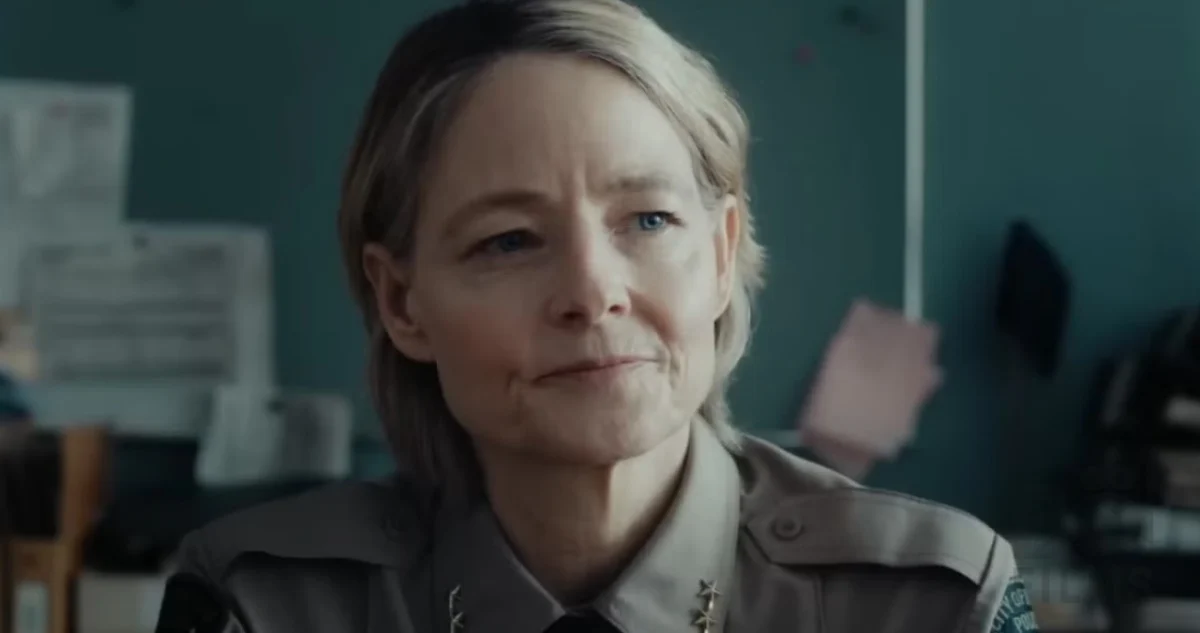
The festival opens with a symbol of transatlantic admiration: Jodie Foster starring in A Private Life, her first performance entirely in French. Directed by Rebecca Zlotowski, the film is more than a bold acting challenge—it earned Foster a lifetime achievement award during the screening, underlining her rare ability to bridge Hollywood prestige and European sensibility.
Watching an actor of her caliber step into a new language and culture is moving. It’s not about performance only, but about personal commitment. Foster seems to be saying something about cinema as a universal expression, regardless of country or tongue.
Spotlight on Richard Linklater’s Nouvelle Vague
One of TAFFF’s biggest artistic gambles this year comes from the American indie icon himself, Richard Linklater. In Nouvelle Vague, he takes on the mythology of the French New Wave with a French-language feature chronicling the making of Jean-Luc Godard’s Breathless. To read Charlize Theron and Taron Egerton face off in 2026’s Apex trailer
The casting is already intriguing:
- Zoey Deutch plays Jean Seberg
- Guillaume Marbeck takes on Jean-Luc Godard
- Aubry Dullin steps into Jean-Paul Belmondo’s shoes
The director was honored with the Franco-American Cultural Fund Award at the festival. Linklater filming in French, reconstructing a moment that redefined global cinema—it’s ambitious, perhaps even risky. But that kind of risk is also what TAFFF is meant to celebrate, and I admire that.
Between awards seasons and auteur cinema
A major storyline at this year’s edition is just how central French cinema has become in awards season conversations. Jafar Panahi’s It Was Just an Accident, France’s Oscar submission and winner of the Palme d’Or, adds political depth and urgency to the lineup. The film reportedly leans into quiet, almost claustrophobic tension, a trademark of Panahi’s confined cinema.
Other titles catching early attention:
- The Richest Woman in the World, starring Isabelle Huppert—she always brings an edge of unpredictability to her roles
- Bardot, a documentary exploring the icon’s complex legacy
One of the key shifts, according to organizers, has been the decision since 2019 to move TAFFF from spring to fall. It’s a strategic move, allowing the festival to position French titles within the Oscar campaign calendar. As François Truffart, TAFFF’s executive producer, puts it: “You have to be at TAFFF to be part of the campaign.” That might sound pragmatic, but in truth, it’s a sign of how French cinema is claiming its place in the global spotlight. To read Ranking Shyamalan’s Hits: Which Film Defines His Legacy?
New Horizons: fresh voices and bold stories
The freshly launched New Horizons program is possibly the most exciting development of this year’s festival. It highlights both veteran and emerging auteurs, offering a vital platform for films that may not yet have wide distribution but have already earned recognition elsewhere.
Among the standouts:
- At Work, written and directed by Valérie Donzelli, awarded best screenplay at Venice
- The Fence by Claire Denis, starring Tom Blyth and Mia McKenna-Bruce—Denis is always more mood than plot, but she knows how to make that atmosphere stick with you
These are not just festival fillers; they anticipate where French cinema might go in the next decade. What’s exciting here is that these filmmakers don’t play safe—not with narrative, not with form.
LGBTQ voices with emotional weight
TAFFF doesn’t shy away from the evolving face of French cinema, and that includes greater visibility for LGBTQ stories. Two films, in particular, stand out in that regard:
- The Little Sister by Hafsia Herzi, which won both the Queer Palm and best actress at Cannes for Nadia Melliti
- Love Me Tender by Anna Cazenave Cambet, with Vicky Krieps, another Cannes premiere that softly unsettles you long after the credits roll
What I found most touching in both is their emotional authenticity. They don’t force subjects onto the screen—they live within the silences, the glances, the withheld confessions. It’s the kind of storytelling where you feel more than you understand, and that’s a rare gift.
The resurgence of French film on the global stage
This year, TAFFF doesn’t just showcase films—it celebrates their international impact. Recent French-language films have made significant waves:
- Justine Triet’s Anatomy of a Fall: five Oscar nominations and a win for best screenplay
- The Substance: Oscar winner for makeup
- Emilia Pérez by Jacques Audiard: 13 Oscar nominations, wins for best original song and best supporting actress (Zoe Saldaña), and Netflix acquisition rights
TAFFF had already spotlighted Emilia Pérez last year, even organizing a concert with its composers Clément Ducol and Camille. These moments help grow the bridge between France’s artistic depth and America’s entertainment engine.
When I saw Emilia Pérez, I felt that rare buzz you get when a showstopping musical number suddenly flips into a quiet moment of intimacy. It stuck with me.
Building community, not just cinema
More than a showcase, TAFFF anchors a community. This year includes a panel led by director Taylor Hackford, bringing together Linklater, Jason Reitman (Saturday Night), and Sean Baker (Anora). It’s the sort of conversation that reminds you how many roads lead to and from France when it comes to creative influence.
To reach beyond the festival circuit, organizers also offer:
- Free screenings for Los Angeles high school students, including Linklater’s Nouvelle Vague
- Over 1,000 film and TV titles made available through the festival’s digital library
This matters. It’s not just about showing films, it’s about creating moments of discovery, often for people who didn’t grow up with French cinema. With platforms like Netflix opening doors to international storytelling, TAFFF is seizing a real opportunity to expand how we watch, and what we expect from what we watch.
I’ll always have a soft spot for festivals like this one. Not because of prestige or glamour, but because they remind us that film is still, at heart, a passport to somewhere else. And sometimes, to someone else’s truth.
