
See Unsee summary
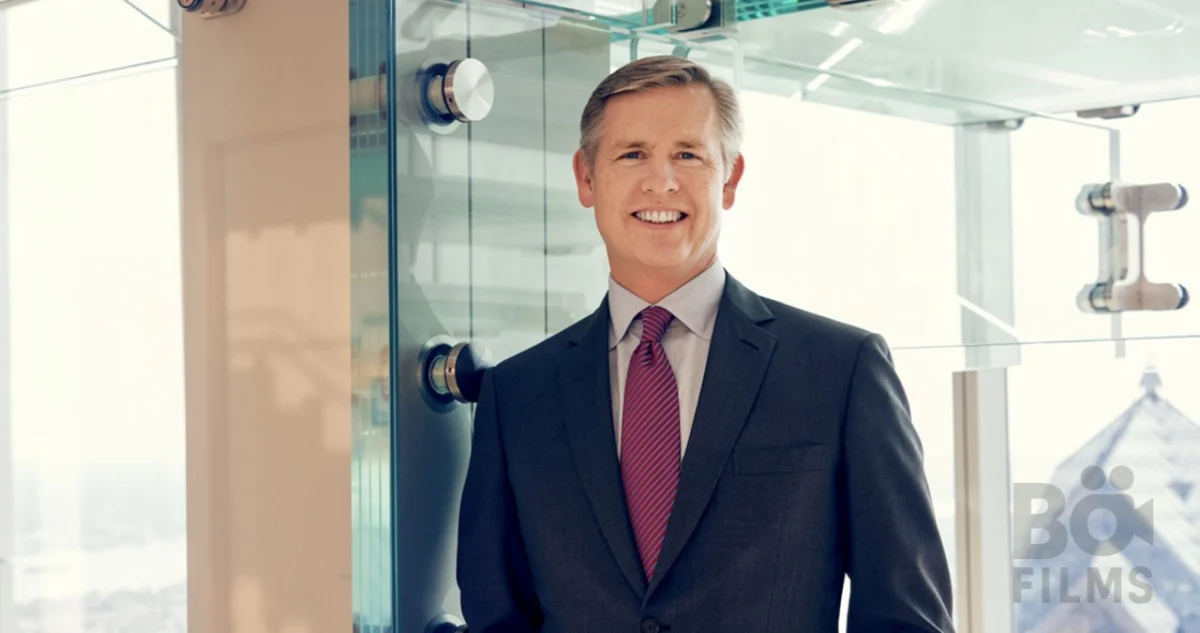
In a major leadership update, Mike Cavanagh has been named co-CEO of Comcast, joining long-standing chief Brian Roberts at the helm of the media and telecommunications powerhouse. A trusted executive within the company since 2015, Cavanagh officially steps into his new role on January 1, marking a pivotal moment for the future of Comcast.
A move that reflects Comcast’s consolidation
Comcast’s decision to appoint Mike Cavanagh as co-CEO isn’t just a title change — it’s a reflection of how much the company has come to rely on his leadership. Since coming onboard as Chief Financial Officer nearly a decade ago, Cavanagh has gradually taken on greater responsibilities. As president, he essentially led NBCUniversal’s operations, navigating a rapidly shifting media landscape with steady hands.
Brian Roberts, who has guided Comcast since inheriting the CEO role from his father in 1990, will remain in place as chairman and co-CEO, preserving the founding family’s presence at the top of the organization. Cavanagh’s new role cements a power-sharing model that, while rare, has proven effective in certain media conglomerates.
At first glance, the co-CEO arrangement might seem unconventional, but when you look at how closely Roberts and Cavanagh have worked in recent years, this feels more like an evolution than a disruption. I see it as a recognition of Cavanagh’s influence—and perhaps a subtle way of preparing Comcast’s leadership for the future, beyond the Roberts family. To read Gwen Stefani headlines magical 2025 Disney Christmas Parade
A legacy of leadership, with a touch of family
Comcast isn’t just any corporate giant — it’s a company deeply rooted in family history. Founded more than 60 years ago by Ralph Roberts, it has remained a family-controlled organization, something increasingly rare in today’s corporate climate. Brian Roberts has maintained that legacy while expanding the company into one of the biggest players in media and broadband.
The family presence remains strong: Brian’s son, Tucker Roberts, runs operations at Comcast Spectacor, the division that owns the Philadelphia Flyers and the Wells Fargo Center. The appointment of Cavanagh as co-CEO doesn’t diminish that tradition; rather, it seems to balance it with professionalism and operational strength.
This dual approach brings structure to a company navigating tremendous transformation—from linear television to streaming, from legacy cable businesses to a digital-first future. And from a personal viewer’s standpoint, as someone who’s watched NBCUniversal grapple with its streaming service Peacock and the rise of global platforms like Netflix and Disney+, I believe this kind of leadership clarity is much needed.
What Cavanagh brings to the table
Cavanagh’s financial background is key. Before joining Comcast, he worked at JPMorgan Chase, giving him a strong foundation in managing complex corporate structures. Since taking on the CFO role in 2015, he’s been described by Roberts as “a trusted and collaborative leader,” and someone ideally placed to steer the company forward as it pivots toward growth.
His time at NBCUniversal speaks volumes. Leading a media division within Comcast means handling everything from movie studios and TV channels to theme parks and streaming platforms. It’s not just about understanding business metrics — it’s about understanding audiences, technology, and industry direction. Cavanagh has shown he’s capable of balancing all three. To read Toho expands into Europe with bold anime distribution moves
In his own words, Cavanagh called it “an honor” to take on this new challenge, emphasizing his excitement during what he sees as a “transformative time in entertainment.” Honestly, what I appreciate is how this doesn’t sound like corporate spin. The media industry is being reshaped before our eyes, and having someone who acknowledges that turbulence—and sees possibility in it—is a reassuring sign.
A co-CEO model that’s slowly gaining ground
While still relatively rare, co-CEO structures have been popping up in selective but significant cases. Netflix is probably the most well-known, with Ted Sarandos and Greg Peters sharing the top job after Reed Hastings’ retirement. There are other examples in the media world too:
- At Paramount, the Redstone family’s influence continues alongside outside executive leadership.
- News Corp, led by the Murdoch family, has seen similar dynamics with professional managers running the day-to-day.
- Warner Bros. Discovery brought together David Zaslav’s media acumen with acquired brands like HBO and CNN, illustrating how blending perspectives can work—though not without its challenges.
In that context, Comcast’s move doesn’t look so unusual anymore. It’s a deal rooted in pragmatism: family leadership meets operational expertise. And from where I stand, that blend is exactly what’s required to guide a company of this scale through the stormy waters of today’s entertainment world. There’s a fine line between tradition and transition, and it feels like Comcast is trying to walk it with intention.
