
See Unsee summary
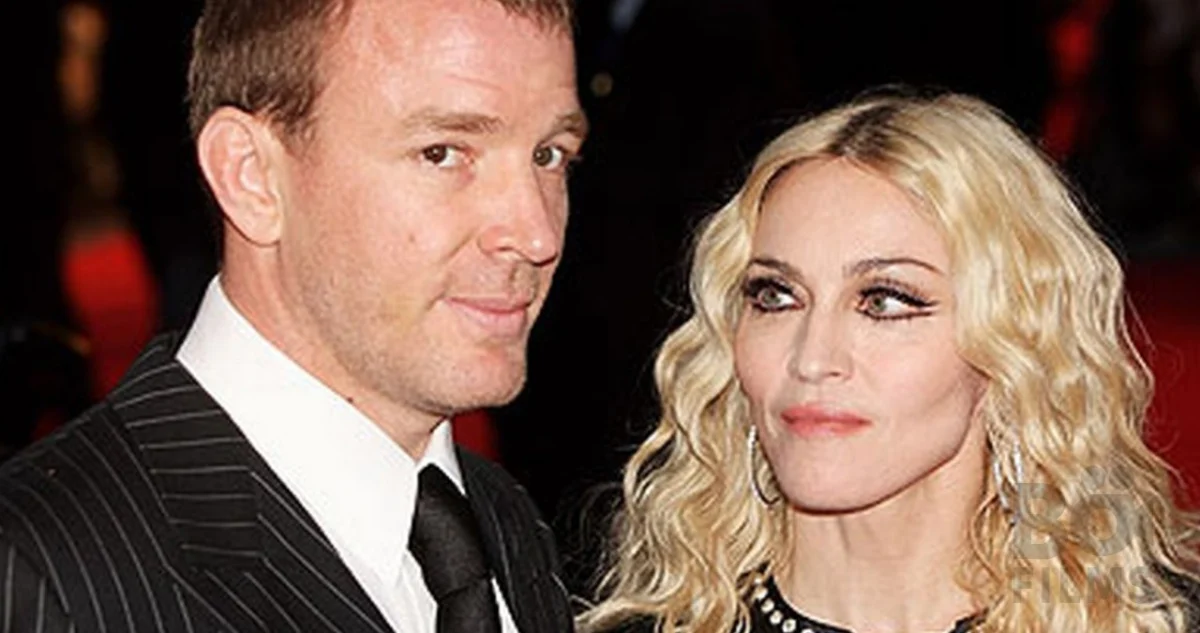
In her first podcast appearance in nearly a decade, Madonna opened up like never before. Speaking on On Purpose with Jay Shetty, the pop legend revealed a dark chapter of her life, marked by heartbreak, loneliness, and serious mental health struggles during a custody battle with ex-husband Guy Ritchie.
A mother in crisis
In 2016, while Madonna was performing across the world on her Rebel Heart Tour, her son Rocco made the decision to live in London with his father. That personal blow hit the singer hard. Touring cities, performing to sold-out venues, she was unraveling backstage. “There were moments in my life I wanted to cut my arms off… I actually contemplated suicide,” she admitted.
She described the feeling of being torn from her child as unbearable. “Someone trying to take my child away from me was like, they might as well just kill me.” The physical and emotional toll from trying to keep performing while her private life collapsed behind the curtain is something she doesn’t mask. It was survival in the spotlight, one step away from crashing.
As someone who’s followed Madonna’s career for years, I’ve always seen her as a force—provocative, bold, unshaken. But hearing her vulnerability here, that raw honesty, is more powerful than any image she’s ever projected. It reminds us that fame doesn’t shield you from heartbreak—sometimes, it amplifies it. To read Gwen Stefani headlines magical 2025 Disney Christmas Parade
Finding light in darkness
What helped Madonna endure was her spiritual life, something she returns to again and again. “Thank God I had a spiritual life,” she said, crediting her beliefs and practices with pulling her through that period.
- She began a deeper engagement with Kabbalah, a form of Jewish mysticism she’s studied for years
- She took part in a course called The Mystical Studies of the Zohar
- Her teacher, Eitan Yardeni, played a central role in her healing process
For Madonna, spirituality is not an accessory or a public statement—it’s her anchor. “Success is having a spiritual life, period,” she said with absolute certainty. “I wouldn’t be here if I didn’t have one.” It’s a perspective she’s earned, not adopted.
Reconciliation and letting go
The podcast conversation also led her to talk about someone else close to her: her brother, Christopher Ciccone. Their relationship had long been strained, both publicly and privately. When he reached out in the last stage of his life, suffering from throat cancer, Madonna made a decision to let go of years of resentment.
“It was such a load off my back… to finally be able to be in a room with him and holding his hand,” she said. His death became an unexpected opportunity for emotional truth. She didn’t just say the words—“I love you and I forgive you”—she meant them.
She’s written a song for him, a final exchange of words they didn’t fully get to share. “Holding a grudge, hating someone or wanting them to suffer… it’s a kind of poison, a kind of cancer,” she added. To read Toho expands into Europe with bold anime distribution moves
That metaphor struck me. It’s often easier to survive attacks from the outside than to silence the noise inside us. Watching Madonna let go of that hate, and write about it rather than perform over it, feels like a genuine moment of catharsis for someone who doesn’t pretend to be perfect.
A deeper portrait
This podcast isn’t a promotional pit stop. It’s an unguarded conversation, the kind that strips away the theatrics and the stardom. We see not “Madonna the icon,” but Madonna the mother, the sister, the woman who still fights—and feels.
It’s unusual for celebrities to open up without calculating impact. But here, none of it feels rehearsed. She’s not just revisiting trauma; she’s sharing it so that maybe, someone listening won’t feel as isolated in their own. That matters.
For those who have followed Madonna’s artistic rollercoaster, this interview adds dimension beyond the stage lights. For those who haven’t, it might be the first time they truly hear her.
