
See Unsee summary
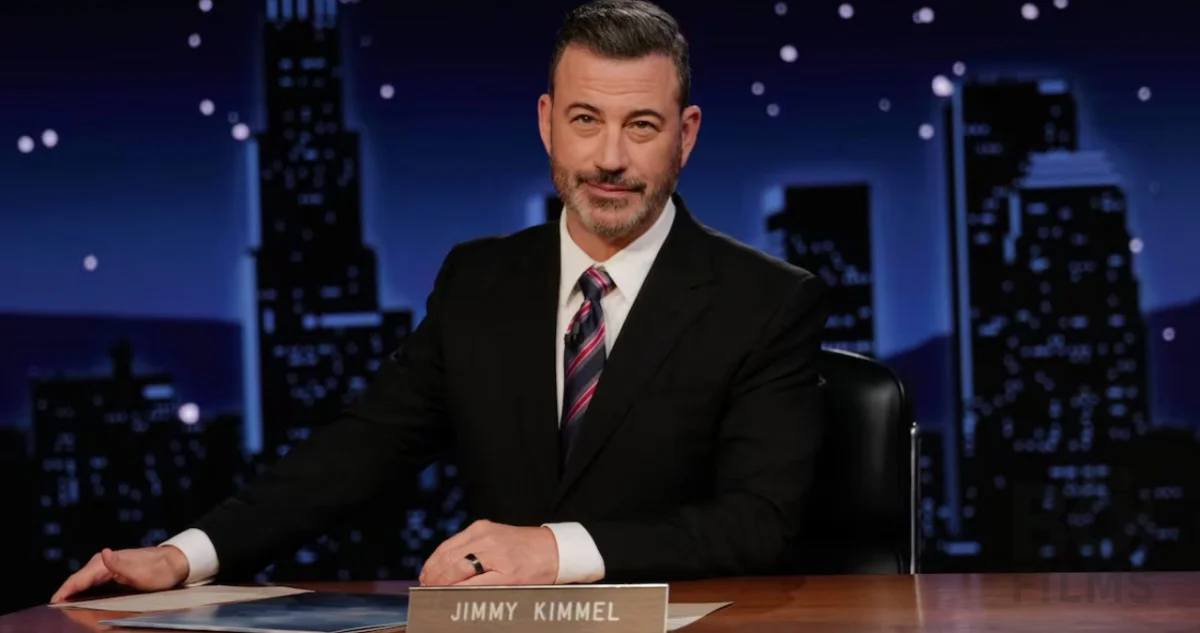
Jimmy Kimmel’s return to “Jimmy Kimmel Live!” Tuesday evening marked more than just another late-night comeback — it became a symbol of a broader conversation about comedy, free speech, and political influence in American media. His peers Stephen Colbert and Jimmy Fallon used their platforms to acknowledge both the moment and their friend.
Late-night solidarity and admiration
Stephen Colbert opened Tuesday’s “The Late Show” with a moment of gratitude, recognizing the continued value of doing his show — but he also pointed out the elephant in the room: “Everybody else is probably watching ABC because tonight, Jimmy Kimmel returned to the airwaves.” Colbert’s acknowledgment wasn’t just polite industry banter. It came with heartfelt respect. “He is a wonderful fella,” he added. “To know him well is to admire him immensely — even if he takes the whole summer off.”
That backhanded joke about Kimmel’s summer breaks carried a familiar warmth. These late-night hosts may be competitors on paper, but on the air, they reliably support each other when something bigger is at play.
Jimmy Fallon, over on NBC, joined the chorus with a wink to anyone confused by the recent headlines. “If you’re tuning in to see what I’ll say about my suspension the last couple days, again, you’re watching the wrong Jimmy… Dad. The other Jimmy, Dad!” Fallon’s tone was cheekier, but the message echoed Colbert’s: solidarity and a shared acknowledgment that Kimmel’s return was the moment of the night. To read Pluribus finale shocks fans as season 2 faces long wait
Kimmel’s powerful return and a timely monologue
For his part, Jimmy Kimmel didn’t ease back into his show with celebrity interviews or light-hearted sketches. He chose fire. His nearly 30-minute monologue touched on everything from the controversy that led to his suspension, to reflections on the role comedians play in pushing societal boundaries.
“I never imagined I would be in a situation like this,” Kimmel said plainly. But what followed wasn’t simply a mea culpa or vague defense — it was a passionate stance. He invoked Lenny Bruce, George Carlin, and Howard Stern as voices that had shaped his own beliefs about comedy and resistance.
“One thing I did learn from them is that a government threat to silence a comedian the president doesn’t like is anti-American.” That line, and others like it, cut through the tension in the studio and made something very clear: this wasn’t just about a joke gone too far. It was about where the line is drawn when it comes to political power and individual expression.
The monologue has already been hailed by critics as one of Kimmel’s most powerful, and judging by early numbers, it’s on pace to become one of his most-watched YouTube moments. As someone who’s followed Kimmel for years, I’ve rarely seen him this sharp, this exposed, and this invested. It didn’t feel like a performance. It felt like a stand.
Industry reactions and ongoing challenges
Kimmel isn’t alone. In the days leading up to and following his reinstatement, fellow hosts like Jon Stewart and Seth Meyers offered support. Meyers, notably, framed the situation as a rare moment of national unity: “A massive national backlash to Trump’s crackdown on free speech, even among conservatives.” To read Taylor Swift opens up in final Eras Tour docuseries episode
It’s meaningful that this issue resonated across partisan lines — because the pressure that led to Kimmel’s suspension came after comments aimed at conservative commentator Charlie Kirk, which sparked significant political and media reactions. ABC, under Disney, opted to temporarily suspend the program, though the company ultimately reinstated him.
Still, challenges remain. In several U.S. markets, “Jimmy Kimmel Live!” will not return right away. Stations owned by Sinclair Broadcast Group and Nexstar have decided not to air the program immediately, delaying Kimmel’s full reach. So even though Kimmel is back, he’s not fully “back” everywhere — a reminder that control over content isn’t always in the hands of the talent.
What happened to free speech in comedy?
As someone who grew up admiring those big-name comedians Kimmel referred to — the rule-breakers, the envelope-pushers — I can’t help but feel uneasy about seeing political influence reshaping the very stage where satire lives. Comedy has always been counter-cultural. That’s what makes it matter.
When Kimmel returned, it felt like a correction — not just for him, but for the space itself. A reminder that yes, words have consequences, but censoring uncomfortable truths is always the bigger danger.
Key takeaways from this episode:
- Kimmel’s suspension centered on political controversy, not just a joke.
- His return sparked widespread industry solidarity among late-night hosts.
- The monologue tackled themes of censorship, political pressure, and comedy’s role in free expression.
- Not all TV affiliates are airing his return immediately, highlighting lingering tensions.
- Kimmel now finds himself at the center of a much larger conversation.
Stephen Colbert, for his part, is preparing for his own exit. With CBS deciding to cancel “The Late Show” at the end of the season, moments like this take on a heavier weight. The era of influential, uncensored late-night television may be moving into rougher waters — and seeing how Kimmel sails through may say a lot about where we’re headed.
