
See Unsee summary
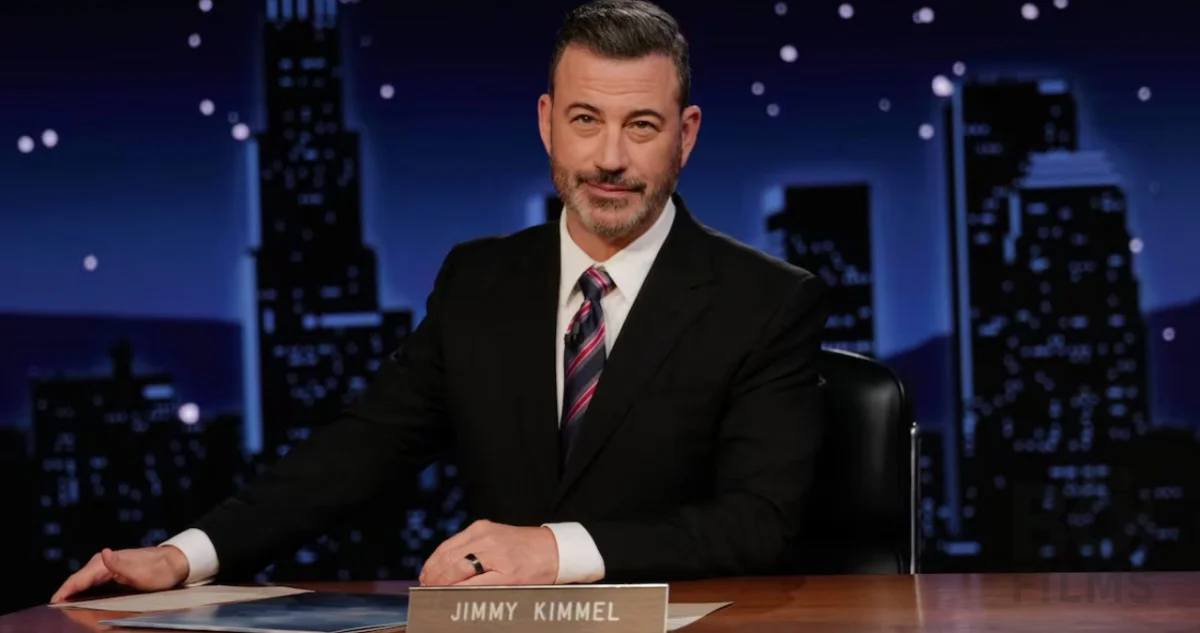
After several weeks of absence, Jimmy Kimmel returned to his nightly podium at ABC with a monologue as moving as it was sharp. Suspended following controversial remarks linked to the political climate and the death of conservative figure Charlie Kirk, Kimmel used his comeback to reaffirm his voice — often playful, sometimes biting, but never indifferent.
An emotional and pointed return to television
From the first minutes, Kimmel didn’t shy away from the tension. His 18-minute monologue mixed sincerity and sarcasm, as he addressed his forced break from Jimmy Kimmel Live! with transparency. Visibly touched by the support received during his suspension, he thanked viewers and colleagues alike. His tone was serious without becoming heavy, especially when discussing political violence and press freedom in an increasingly polarized America.
He chose not to glorify Charlie Kirk’s memory but strongly condemned the wave of hatred and misinformation that contributed to the climate in which that death occurred. “I didn’t want to talk about him,” he admitted, “but ignoring the context would be dishonest.” And that says it all about Kimmel’s approach: he walks a fine line between humor and commitment.
Mocking Disney with irony and allies by his side
Of course, Kimmel didn’t resist slipping in a few jabs. Particularly witty was the moment when he read the instructions sent by Disney to reactivate Disney+ and Hulu subscriptions — a nod to the many cancellations that followed his suspension. Behind the joke, there was a subtle accusation of the network’s quiet response, highlighting the difficult balance media must strike today between editorial freedom and economic interests. To read Pluribus finale shocks fans as season 2 faces long wait
He didn’t fail to thank the other late-night hosts who supported him, especially Stephen Colbert, and added with his usual cheek that Donald Trump might now turn his attention to Seth Meyers or Jimmy Fallon. That sentence landed with a mix of laughter and concern — because this wasn’t just a joke.
A shot at the FCC and a visit from De Niro
A particularly stinging target was Brendan Carr, the FCC chairman, whom Kimmel compared to a mafia figure. This led cleverly into a sketch featuring Robert De Niro, leaning into that mafioso image with tongue-in-cheek humor. The joke worked mainly because it masked real tension: several major affiliates, including Nexstar and Sinclair, are still blacking out Kimmel’s show, preventing it from airing on a large portion of the national network. ABC responded by posting the monologue in full on YouTube — a digital workaround in an increasingly fragmented media landscape.
Star guests and silent support
On the guest side, the presence of actor Glen Powell brought a lighter note, promoting his new football series Chad Powers. But one of the more meaningful moments came from Sarah McLachlan, who hadn’t just come to play music. The musician had previously canceled a Hulu appearance to protest Kimmel’s suspension, and her performance this time was loaded with quiet defiance. No need for big declarations — sometimes one song is enough to take a stand.
A familiar ending, a very different context
Despite the political gravity of the episode, Kimmel ended with his usual wink: “Apologies to Matt Damon, we ran out of time.” A sign that the show is returning to its classic rhythm, while acknowledging that everything has changed around it. Kimmel himself said, “I have no illusions about changing anyone’s mind,” but he delivered what was expected: a mix of comedy and conviction, filtered through his unique voice.
At 30, I grew up watching late-night TV split between comedy and commentary. What Kimmel managed here — remaining funny without being indifferent — isn’t easy. It reminded me why these hosts matter when everything else seems so divided. To read Taylor Swift opens up in final Eras Tour docuseries episode
Key points from Kimmel’s return episode:
- 18-minute monologue blending humor and political concern
- Subtle critique of Disney’s reaction to subscriber backlash
- Direct attacks on FCC and blackouts by affiliate networks
- Appearances by Robert De Niro, Glen Powell, and Sarah McLachlan
- Refusal to apologize, reinforcing commitment to free speech
By returning with emotion, irony, and tact, Jimmy Kimmel may have redefined the role of politically engaged late-night comedy in 2024. Not to divide, but at least to keep asking questions — with a smile, when possible.
