
See Unsee summary
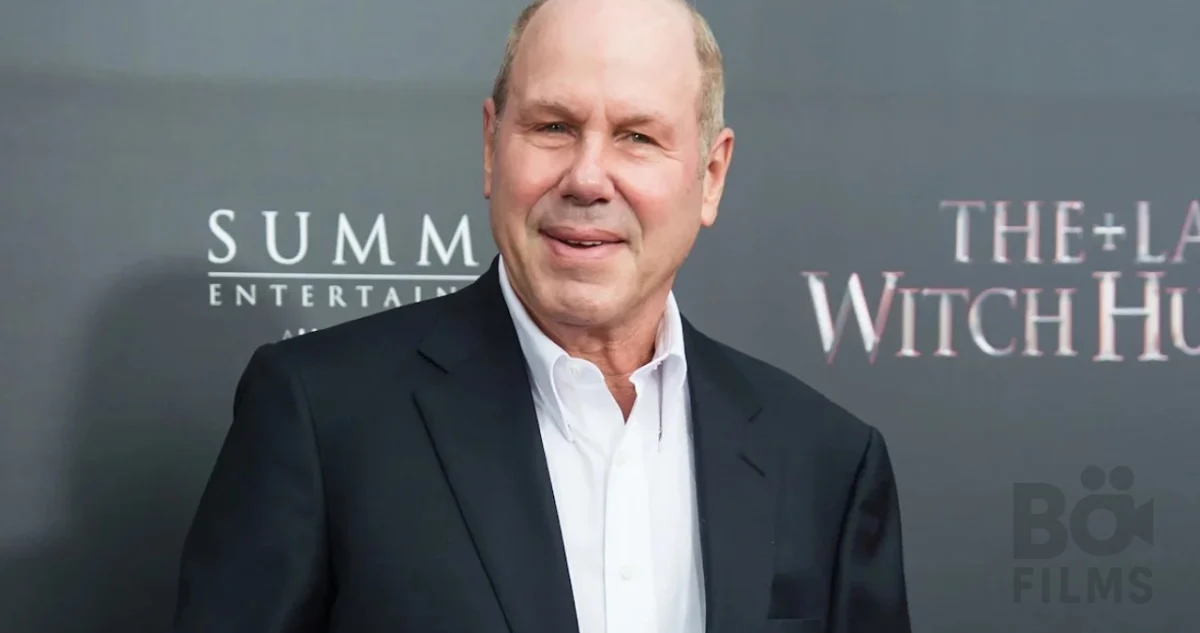
Former Disney CEO Michael Eisner is once again stepping into the spotlight, this time to defend late-night host Jimmy Kimmel after Disney suspended his show. Calling the move “out-of-control intimidation,” Eisner’s remarks reignite an ongoing debate around free speech in entertainment and raise questions about Disney’s direction under its current leadership.
A direct challenge to Disney’s leadership
In a series of pointed social media posts, Eisner took aim at what he sees as a failure of courage at the top levels of Disney. “Where has all the leadership gone?” he asked, expressing concern over what he described as a growing climate of fear, where decision-makers fold under pressure rather than stand firm for basic freedoms like those guaranteed by the First Amendment.
His comments came just after Disney’s decision to indefinitely suspend Jimmy Kimmel’s late-night talk show. The suspension followed Kimmel’s provocative remarks about conservative activist Charlie Kirk, which led to public complaints and an aggressive statement by the FCC Chairman. For Eisner, the timing felt more than coincidental—it looked like corporate caving to political pressure.
He didn’t stop there. Eisner made a point of defending Kimmel directly, calling him “very talented and funny.” For someone who spent over two decades guiding the voice and image of Disney, that kind of endorsement matters. It’s personal, and it speaks volumes. To read Gwen Stefani headlines magical 2025 Disney Christmas Parade
Reactions ripple through Hollywood and beyond
Eisner’s remarks are just one part of a wider storm that has erupted around Kimmel’s suspension. Across both the entertainment industry and political landscape, voices have been rising in support of the comedian. On Thursday, union members gathered outside the Walt Disney Studios in Burbank, staging protests in defense of free expression.
This isn’t the first time controversy has intersected with late-night humor, and frankly, it won’t be the last. But what’s striking here is how quickly the issue has escalated beyond Kimmel’s remarks themselves. The debate has shifted toward something deeper: who gets to speak, how far they can go, and whether companies like Disney will protect or punish that freedom.
We’ve seen this pattern before. Social and political pressure builds, online outrage follows, and then companies scramble to contain the fallout. What Eisner seems to be pointing out—and what many in creative spheres fear—is that artistic voices are increasingly being treated as liabilities rather than assets.
The weight of Eisner’s legacy
To understand the impact of Eisner’s words, it helps to remember who he is. As Disney CEO from 1984 to 2005, Eisner shepherded the company through one of its most creatively vibrant eras. The “Disney Renaissance”—marked by films like The Little Mermaid, Beauty and the Beast, and The Lion King—redefined what animated storytelling could be.
But his tenure wasn’t all magic and applause. By the early 2000s, Eisner’s leadership came under fire for internal strife and a series of tense executive battles, chronicled in books like DisneyWar. He eventually stepped down amid growing boardroom unrest. Still, his imprint on Disney—and on the industry at large—is undeniable. To read Toho expands into Europe with bold anime distribution moves
So when Eisner speaks now, it’s as someone who’s not just watching from the sidelines. He knows the stakes. Which is probably part of why his critique cuts so deep: it’s not just nostalgia talking, it’s concern for a cultural institution he helped shape.
What the controversy tells us about modern entertainment
This situation touches on bigger questions that have been simmering in the world of entertainment for years. The tension between corporate interests and creative voices is more visible than ever, and nothing draws it into sharper focus than moments like this.
When a high-profile figure is suspended, it causes a ripple effect:
- Colleagues wonder if they’re next.
- Audiences question a company’s values.
- Partners (studio, production, marketing) start re-evaluating what’s “safe.”
Honestly, I felt a mix of frustration and disappointment when I saw the news about Kimmel. Not because I always agree with what he says, but because silencing a late-night voice—especially one that thrives on provocation—feels like a step backward. It’s the kind of decision that sends a chilling message to others in entertainment: speak carefully, or not at all.
For Eisner to call that out, even after nearly two decades away from the Disney boardroom, suggests that something deeper is at risk than just a show. It’s about whether entertainment still has the guts to embrace bold voices, or whether those voices have to play it increasingly safe. And if Disney, of all places, starts leaning toward fear over freedom, then what does that mean for the rest of the industry?
