
See Unsee summary
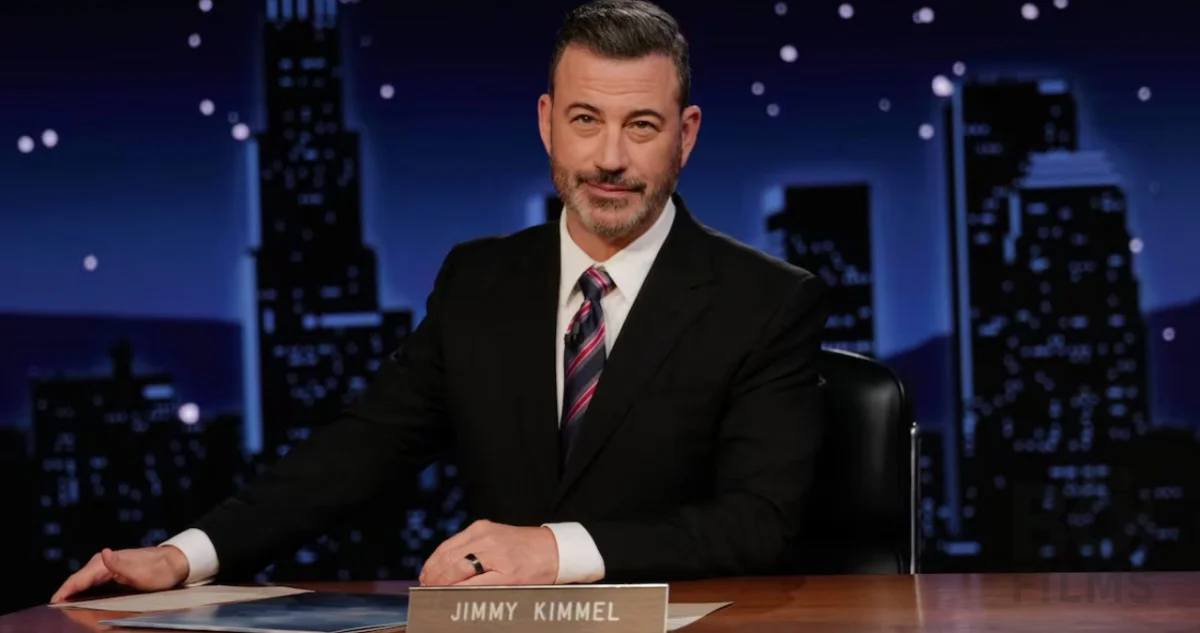
Jimmy Kimmel returned to his late-night desk on September 23 with a mix of emotion, defiance, and gratitude, following a suspension by ABC after comments he made about the politicization of conservative activist Charlie Kirk’s murder. In his opening monologue, he addressed the controversy directly, expressing regret, pushing back against critics, and reflecting on free speech.
A Tense Return, a Standing Ovation
From the moment Kimmel walked onto the stage, you could feel it was more than just another episode of Jimmy Kimmel Live! The cheers were louder, the chants of support longer. This wasn’t just an audience happy to see a familiar face — it was a public moment of solidarity.
There was no dance around the issue. Kimmel’s monologue went straight into the controversy that led to his suspension. ABC had pulled the host for what it called insensitive remarks made days earlier, after Kimmel criticized certain right-wing voices for exploiting Kirk’s tragic death for political gain. Some took Kimmel’s comments as making light of the murder, something he firmly denies.
“I never intended to mock a tragedy,” he told viewers, openly and carefully, his tone more serious than usual. He admitted that parts of his monologue might have come across as misguided and took responsibility for the reaction — but he didn’t hide his dismay at what happened next. To read Gwen Stefani headlines magical 2025 Disney Christmas Parade
One moment that clearly touched him: Erika Kirk, the widow of Charlie Kirk, publicly forgave her husband’s killer. Kimmel seemed almost overwhelmed when referencing it, calling her response “profoundly human and brave.” That rare, raw note of sincerity cut through an episode where laughter and discomfort hovered side by side.
Facing Cancellation and Pushing Back
The reaction to Kimmel’s earlier segment didn’t just come from viewers. FCC Commissioner Brendan Carr swiftly criticized the show, threatening to challenge the network’s licenses. That led to Nexstar and Sinclair — two major station groups — pulling the program from over 60 markets, including Seattle and Washington, D.C. Nearly a quarter of American homes temporarily lost access to Jimmy Kimmel Live!.
It was more than a programming pause; it was a warning shot. When authorities start singling out shows for editorial content, it feels less like oversight and more like censorship. Kimmel recognized this instantly and used his return to call it what it was — an attempt to intimidate.
Major support quickly came his way:
- Over 400 creators signed an open letter condemning the FCC, coordinated by the ACLU
- Fellow late-night hosts spoke out, with some even referencing similar past pressures they themselves had faced
- Republican figures, including Rand Paul and Ted Cruz, surprisingly came to his defense in the name of the First Amendment
- Michael Eisner, former CEO of Disney, publicly supported Kimmel’s right to air his views
In an era when performers often watch their words, it’s striking when one decides to stand his ground, even if it means risking his platform. Kimmel made it personal: “Nearly 200 people work on this show,” he said. “We get canceled, their jobs are gone — all because someone can’t take a punchline.” To read Toho expands into Europe with bold anime distribution moves
Legacy of Political Satire Under Threat
Kimmel’s fight isn’t new. He placed his show next to those of comedy giants like Lenny Bruce and George Carlin, who also clashed with authority over what could or couldn’t be said. He even brought up Howard Stern, often controversial but undeniably vital to American broadcasting’s evolution.
His frustration came through crystal clear when he mentioned former President Donald Trump, accusing him of pushing the FCC and celebrating job loss as political revenge. “Our leader laughs while Americans lose their livelihoods,” he said, a statement less comic and more cutting.
Trump rapidly responded through his Truth Social account, accusing ABC of using Kimmel as Democratic propaganda. He revisited his own long-standing issues with the network, referencing a $16 million legal settlement with Disney as bizarre proof of bias and grievance.
The Satire Doesn’t Stop
For viewers who feared that Kimmel might tone things down, the second half of the show told a different story. The “mob boss of the FCC” skit — played to perfection by Robert De Niro — felt like the kind of comedy that pushed boundaries on purpose. It was heavy-handed, sure, but in context, that’s what made it land. You don’t wink during a media crackdown — you mock it as loudly as you can.
McLachlan, one of the night’s guests, didn’t shy away either. She revealed live on the show that she’d withdrawn from ABC News’s Lilith Fair documentary launch in protest. It was a quiet but pointed act of solidarity that gave the episode another layer of resistance.
And to that million-view milestone? Kimmel’s team uploaded the full show to YouTube and Hulu immediately after it aired, knowing many wouldn’t be able to watch it the traditional way. Within the first hour, it had already been seen more than a million times. That, too, says something.
In moments like this, the line between comedy and commentary isn’t blurry — it’s the battleground. Kimmel stepped back into that space with clarity. Whether or not you agree with him, it’s hard not to see the courage in picking up the mic again, knowing every word might trigger another storm.
