
See Unsee summary
In March 2025, tensions between national television networks and their local affiliates reached a boiling point amid growing fears of industry consolidation. While broadcasters gathered in Washington with hopes of a more favorable regulatory environment, disagreements over content rights, compensation, and corporate control pushed local station groups to take unprecedented steps.
A fragile alliance shaken
During the National Association of Broadcasters’ State Leadership Conference in Washington, optimism was high among local broadcasters. FCC Commissioner Brendan Carr had voiced clear support for loosening regulations, potentially allowing station groups to expand and consolidate — a move many saw as necessary for survival against tech giants and vertically integrated media conglomerates.
But beneath the surface, relationships between national networks and affiliates had become strained. The conflicts weren’t new, but in 2025 they took on a public and symbolic dimension. National networks had begun bypassing local stations by negotiating directly with streaming services like YouTube TV and Hulu with Live TV, effectively reducing the affiliate stations’ leverage. At the same time, those networks continued demanding higher affiliation and reverse compensation fees, all while broadcasting the same programming on their own streaming platforms.
This double game was hard to ignore. For stations that had long believed in their role connecting national content to local audiences, it felt like the very purpose of their existence was being slowly erased. To read Gwen Stefani headlines magical 2025 Disney Christmas Parade
Jimmy Kimmel and the symbolic revolt
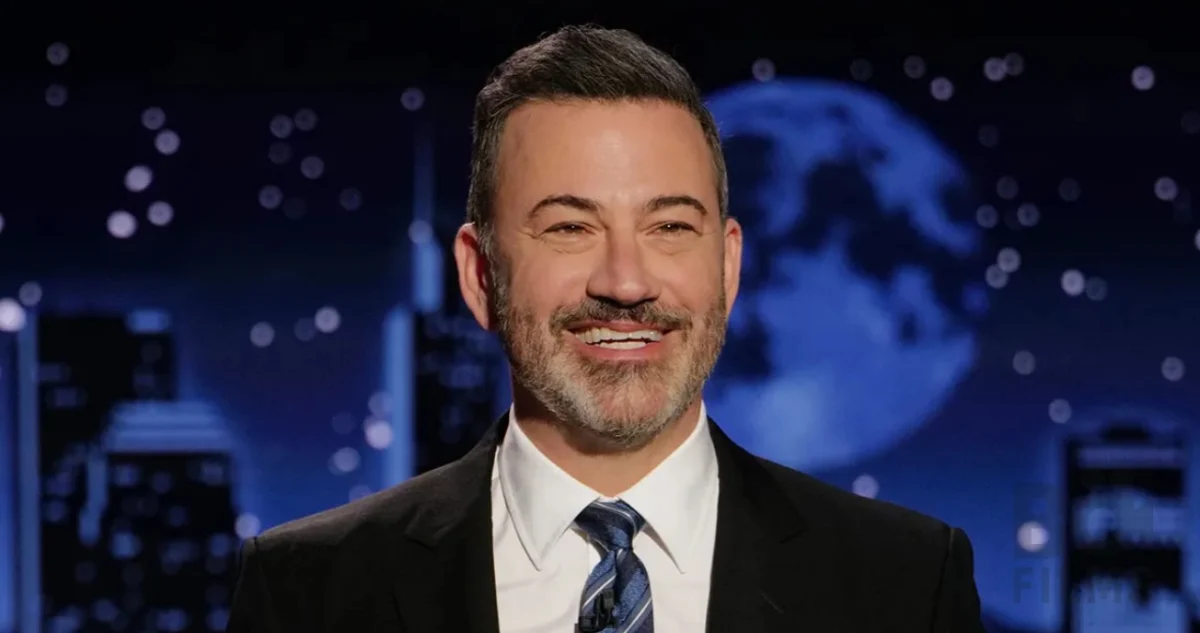
The clash came to light over something that, on the surface, seemed small: a late-night talk show. In an unexpected move, Nexstar and Sinclair — two of the largest local affiliate station owners — decided to preempt ABC’s Jimmy Kimmel Live! in several markets. The airing was replaced with other programming for three nights.
This wasn’t a technical glitch or a scheduling mishap. It was a message.
The timing was telling. Just days earlier, FCC Commissioner Brendan Carr had urged local broadcasters to stand their ground. “It is important for broadcasters to push back on Disney programming that they determine falls short of community values,” Carr stated, directly referencing ABC’s parent company.
His comments clearly resonated. For many local broadcasters, Kimmel represented more than just a face on late-night TV — he had become a symbol of the perceived disconnect between Hollywood and local America. Even though the show quickly returned to its usual slots, the gesture by Nexstar and Sinclair left its mark. It wasn’t about Jimmy Kimmel. It was about proving they were willing to push back.
Perry Sook, Nexstar’s CEO, captured the moment in pointed terms: “Bias acknowledged and now admitted in editorial coverage by legacy national networks, false information provided by AI and social media disinformation are making it almost impossible for Americans to distinguish between fact, opinion, and fiction.” To read Toho expands into Europe with bold anime distribution moves
As dramatic as that sounds, it reflects a real anxiety: local stations feel overshadowed not just by networks, but by an entire information ecosystem increasingly dominated from the coasts — or, in the case of platforms like YouTube or TikTok, from the cloud.
Lobbying pushes and political maneuvers
Behind this conflict is a much broader political and economic struggle. Nexstar is in the middle of a $6.2 billion deal to acquire Tegna, a move that would only be possible if the FCC’s national ownership cap — currently set at 39 percent of U.S. households — were raised.
Brendan Carr has already proposed revisiting those limits. If the cap changes, it could open the floodgates to large-scale consolidation among local broadcasters, letting companies like Nexstar massively expand their reach.
It’s no surprise, then, that the money is flowing. In the first half of 2025 alone:
- Nexstar and Sinclair have spent over $2 million on lobbying.
- The National Association of Broadcasters (NAB) invested another $6 million.
- On August 22, affiliate groups from all four major networks joined the NAB in writing to the FCC.
That letter wasn’t timid: it accused “Big Media Conglomerates” of marginalizing local stations. “They have no interest in serving local communities or becoming a vital part of the fabric of America’s cities and towns,” the letter stated, painting national networks and tech firms with the same brush.
At that point, it was clear: this wasn’t just about a late-night show, or even about ABC. It was about who gets to shape the future of media, who is allowed to grow, and who still gets a voice.
The uncertain road ahead
Under current law, local affiliates have limited powers to preempt network programming, generally only when there’s a conflict with local standards or public interest. But political winds may be shifting. With FCC leadership that appears sympathetic and possible action from Congress, the rules surrounding ownership and content control could change significantly.
Personally, this moment reminds me of how fragile the balance of power in media really is. I’d grown up thinking of networks and affiliates as a unified front, delivering content seamlessly from coast to coast. But in reality, that system depends on cooperation — and right now, that trust is eroding.
It also raises deeper questions. At a time when almost everyone gets their news and entertainment from a mix of cable, streaming, and social platforms, what does it mean for a station to serve a local community? Can consolidation be the answer to surviving in a fragmented media world, or does it risk losing the very thing that set local broadcasters apart?
Maybe it’s both. The Kimmel incident was a temporary flashpoint, easily forgotten after a few days. But the frustration behind it, the feeling of being squeezed out of your own industry — that won’t go away anytime soon.
