
See Unsee summary
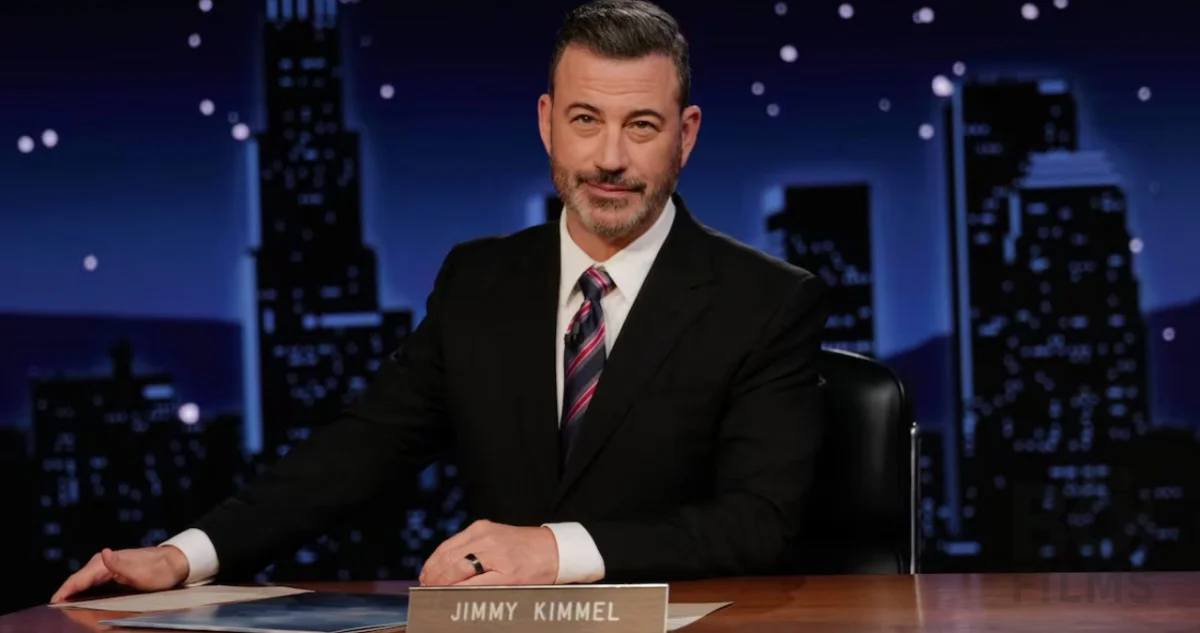
ABC has pulled Jimmy Kimmel Live! indefinitely after the host implied the suspected shooter of political commentator Charlie Kirk was a MAGA Republican. The remark triggered backlash from the FCC’s chair and led some Nexstar-owned affiliates to drop the program, igniting a fresh fight over censorship, bias, and “consequence culture.”
What ABC decided and why
ABC confirmed that Jimmy Kimmel Live! is off the schedule for the foreseeable future. The decision followed a monologue in which Kimmel suggested the suspected shooter in the Charlie Kirk case was a MAGA Republican, a line that quickly set social media and political media alight.
The network’s move came after the comment sparked immediate controversy. In the space of a day, the story jumped from a late-night punchline to a broader media storm, with pressure building from regulators and affiliates alike.
How affiliate pressure and the FCC reaction changed the picture
Federal Communications Commission chair Brendan Carr issued a sharp public reaction to Kimmel’s remark, helping push the debate beyond the usual late-night arena. Whether or not the FCC acts, the moment signaled that the controversy had crossed into a regulatory conversation. To read Gwen Stefani headlines magical 2025 Disney Christmas Parade
Then came the crucial practical blow. A cluster of ABC affiliates owned by Nexstar Media Group announced they would not carry the show. For a broadcast network, losing a major affiliate group means losing reach and ad value. ABC’s confirmation of an indefinite suspension followed quickly.
As a viewer who has watched late-night evolve since childhood, I felt a pang. Not because monologues should be immune from consequences, but because a format built on topical improv now lives in constant fear of instant pile-ons and affiliate retrenchment.
A right-wing victory lap online
The suspension was greeted with open celebration in right-leaning media circles. The tone was not subdued. It was triumphant, and sometimes personal.
YouTube commentator Benny Johnson, a frequent Kimmel critic, declared him “cancelled and unemployed,” framing the outcome as consequence culture. His wife, Kate Johnson, publicly credited him with helping drive the result. Conservative activist Laura Loomer joked about taking the time slot herself, pitching Laura Loomer Live.
Jeremy Hambly, known as The Quartering on YouTube, cheered what he described as recent departures of Kimmel and Stephen Colbert, and urged networks to remove other liberal hosts like Jon Stewart, John Oliver, Jimmy Fallon, and Seth Meyers. For him, it was a scoreboard moment and a chance to accuse the left of free speech hypocrisy. To read Toho expands into Europe with bold anime distribution moves
Other conservative voices piled on. Steven Crowder, Terrence K. Williams, and The Daily Wire’s Matt Walsh amplified the celebration. Walsh’s message was blunt, calling Kimmel names and accusing him of lying about Kirk’s murder and smearing allies.
Key reactions at a glance
- Benny Johnson: Claimed a personal win, calling the outcome “consequence culture”
- Kate Johnson: Credited her husband for pushing the suspension
- Laura Loomer: Floated herself as a replacement host
- The Quartering: Celebrated Kimmel and Colbert’s exits, urged ousters of other liberal hosts
- Steven Crowder, Terrence K. Williams, Matt Walsh: Praised ABC’s move, with Walsh issuing particularly harsh accusations
Consequence culture or cancel culture
The argument quickly split into familiar camps. Supporters of the suspension describe it as accountability for an inflammatory claim about a highly sensitive case. Critics see it as a politicized takedown, another example of selective outrage that punishes one side more than the other.
From my seat on the couch, the labels feel secondary to the power dynamics. Affiliates, advertisers, and viral outrage decide the fate of late-night faster than audiences do. That is not censorship in the legal sense, but it does shape who gets a mic tomorrow.
Late-night’s shrinking safe zone
Late-night comedy once thrived on pushing into risky territory, trusting the next joke to smooth things over. Today, one misjudged line can trigger regulatory noise, affiliate revolt, and a coordinated social media campaign by partisans who do not even watch the show.
This is not to absolve sloppy claims. Precision matters, especially when violence is involved. But as networks grow more skittish and media ecosystems more combative, the space for messy, human, sometimes brilliant improvisation keeps shrinking. I miss that space. It is where late-night found its pulse.
What I will watch for next
Whether ABC retools the show, pauses until tempers cool, or rethinks the time slot entirely will say a lot about where broadcast late-night is headed. If affiliates hold firm, a quiet return becomes harder. If they relent, the show may come back narrower, safer, and a little less alive.
