See Unsee summary
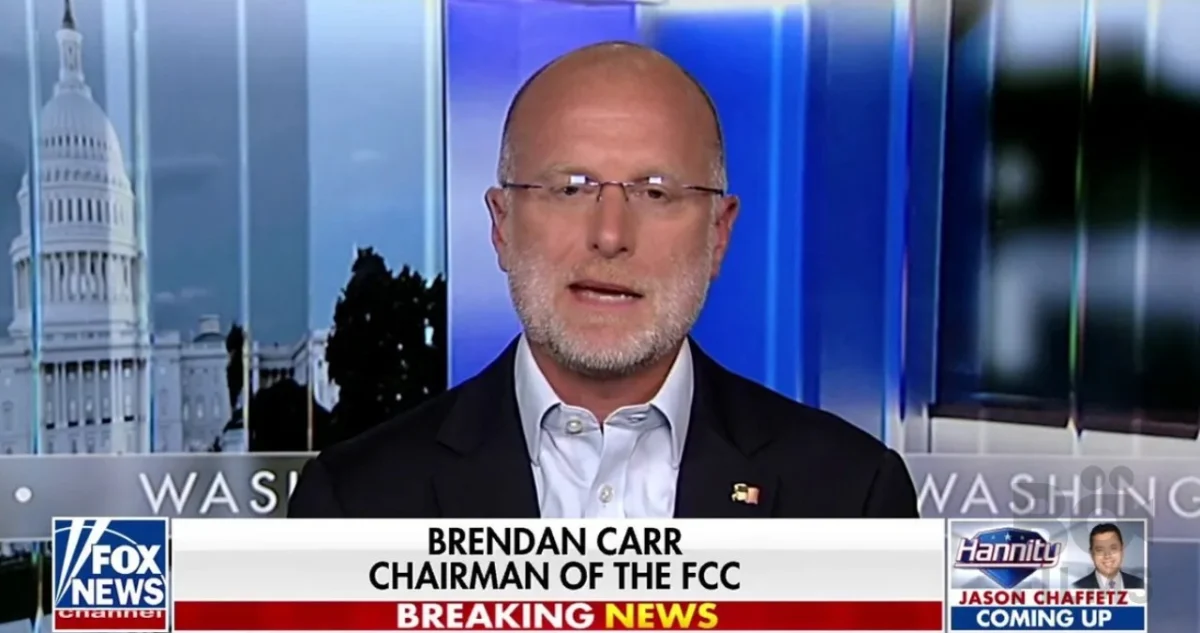
FCC Chairman Brendan Carr is expected to appear before the Senate Commerce Committee after a storm of controversy following comments he made about Jimmy Kimmel’s late-night show. His remarks, deemed threatening by some, prompted backlash, media actions, and a wider debate over free speech and government authority over broadcasters.
Kimmel’s Monologue and Carr’s Reaction
The incident began with a monologue by Jimmy Kimmel commenting on the killing of conservative activist Charlie Kirk. Kimmel’s remarks, typical of a late-night show that mixes humor and politics, struck a nerve with Brendan Carr. On September 17, during an appearance on a conservative YouTube program, Carr implied that ABC affiliates airing Kimmel might face repercussions from the FCC.
He said plainly: “We can do this the easy way or the hard way. These companies can find ways to change conduct, on Kimmel, or there’s going to be additional work for the FCC ahead.” That type of language didn’t sit well with many, especially when it came from a high-ranking public official with significant regulatory power.
I have to say, hearing someone in Carr’s position speak like that makes me uncomfortable. Whether or not he intended it as a threat, the message felt heavy-handed, especially in a country that values the freedom to challenge power — even through satire on late-night television. To read Gwen Stefani headlines magical 2025 Disney Christmas Parade
Senator Cruz and the Question of Government Overreach
Senator Ted Cruz, who leads the Senate Commerce Committee, quickly responded. On his podcast, he said Carr’s words sounded “like a mobster” and warned of the danger of a government official trying to dictate acceptable speech.
“It is unbelievably dangerous for government to put itself in the position of saying we’re going to decide what speech we like and what we don’t,” Cruz remarked. Coming from someone often aligned with Carr politically, the criticism carried weight. Cruz’s office has since confirmed that Carr will be called to testify before the committee, though the date has not yet been set.
It’s rare to see such pointed disagreement between members of the same political camp, but Cruz’s concerns echo something a lot of people feel right now: where should the line be drawn between regulation and censorship?
The Fallout: Suspensions, Protests, and Industry Pressure
Following Carr’s statements, the consequences came quickly. Several major station groups, including Nexstar and Sinclair Broadcast Group, pulled Kimmel’s program from their local affiliates. Disney, parent company of ABC, went one step further: Jimmy Kimmel was suspended from his show “indefinitely.” That decision sparked immediate backlash from the public and within industry circles.
Part of the tension came from timing. Nexstar was in the middle of seeking regulatory approval from the FCC for its $6 billion acquisition of competitor Tegna. Station owners were, understandably, wary of doing anything that might put that deal at risk. Pulling Kimmel could easily be seen as a gesture to avoid conflict with Carr or the FCC. To read Toho expands into Europe with bold anime distribution moves
This kind of maneuvering raises difficult questions:
- Can broadcasters truly exercise editorial independence if they depend on FCC approval for large deals?
- Does fear of regulatory punishment force media networks to self-censor?
- At what point does oversight tip into intimidation?
Over the next few days, protests sprang up outside Disney’s studios in Burbank, with supporters rallying to Kimmel’s defense and criticizing Disney’s decision. The public pressure worked: Kimmel was soon reinstated on ABC and its affiliate stations.
Carr Tries to Clarify, Debate Continues
By September 22, Carr went public again, saying his original statements had been misunderstood and were not meant as a direct threat to any broadcaster’s license. But the damage was largely done. His comments — and the reaction to them — reignited familiar fears about how political power can be used to pressure independent media.
As someone who watches both cinema and TV with a passion for storytelling and expression, I find this whole situation disheartening. Satire, even when uncomfortable, has always played a vital role in democratic societies. Shows like Kimmel’s might push boundaries, but they also spark important conversations. When regulatory figures threaten that space, even indirectly, the stakes get very real.
This moment touches on bigger issues: who decides what can or can’t be said on-air? How much influence should regulators have over content? And what kind of pressure exists behind the scenes that viewers never see?
The debate is far from over. The upcoming Senate hearing might offer new insights, or perhaps just more political theater. But one thing feels sure: we’re living in a time where the rules of media power are being tested — and rewritten — right before our eyes.
