
See Unsee summary
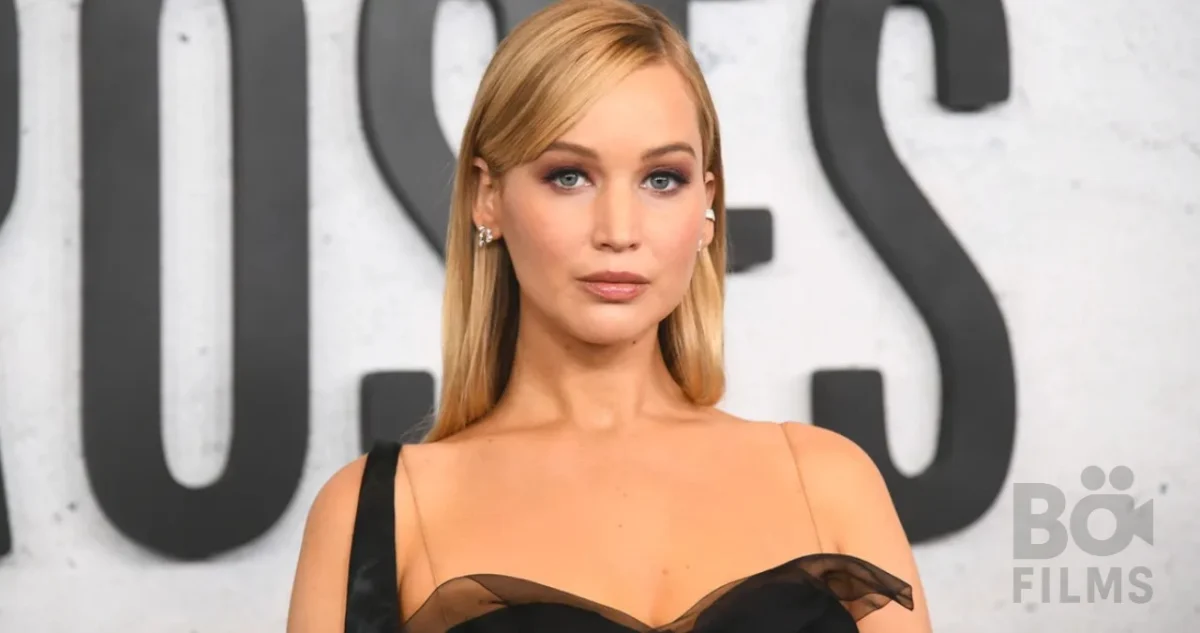
Jennifer Lawrence, long known for her outspoken political views, is rethinking the way she uses her platform. After years of publicly opposing Donald Trump, the actress now wonders if her activism may alienate parts of her audience—potentially limiting the impact of the films she so deeply believes in.
A Shift in Tone
Speaking on The New York Times’ The Interview podcast, Lawrence opened up about how her approach to political commentary has changed. “During the first Trump administration, I felt like I was running around like a chicken with my head cut off,” she said. That period was marked by emotional urgency, a desire to speak out, and sometimes a lack of clarity about what the words would actually achieve. She now feels that celebrities might not hold the influence they once believed they had.
Her reflections are not about regret, but about evolution. Lawrence has never hidden where she stands. From endorsing Hillary Clinton in 2016 to supporting Joe Biden and Kamala Harris in 2020 and again in 2024, she was fully engaged. But now, she asks: “If I end up turning people off from films or art that might change consciousness or change the world, what am I really doing?”
As a viewer, I get where she’s coming from. There’s a fine line between raising awareness and creating distance. Art should be a place where people come together, not where they shut the door. To read Gwen Stefani headlines magical 2025 Disney Christmas Parade
A History of Political Engagement
Lawrence hasn’t been a passive voice in politics. She campaigned personally for Kamala Harris in Nevada ahead of the most recent election. Reproductive rights, especially, have become a central part of her activism. After the overturning of Roe v. Wade, she voiced her frustration in Vogue, plainly stating that “politics are killing people.” She even said she could no longer connect with those who weren’t political at all.
And she didn’t stop at words. Her production company, Excellent Cadaver, has taken on projects that push political and human rights subjects into public spaces. Among them:
- Bread and Roses, a chilling documentary about Afghan women living under Taliban control, co-produced with Malala Yousafzai.
- Zurawski v Texas, a deeply personal look at women suing the state over restrictive abortion laws, co-produced with Hillary and Chelsea Clinton.
It’s clear: even if Lawrence retreats from political declarations in the press, her lens as a producer and actor remains radically engaged.
Protecting the Work
For Lawrence, the heart of her reflection lies in her craft. “I want to protect my craft so you can still get lost in what I’m doing,” she explained. She’s not abandoning her values—she’s moving them into the work itself. That feels sincere. In many ways, art has always been her truest political space.
With Excellent Cadaver, she’s found a way to embed activism in storytelling. And maybe that’s where it’s most powerful—not as a speech in a headline, but as a feeling burned into the story’s core. To read Toho expands into Europe with bold anime distribution moves
Coming Soon: Die My Love
Her next project, Die My Love, sees her starring alongside Robert Pattinson under the direction of Lynne Ramsay. Ramsay isn’t one to shy away from emotional extremes, and the film is expected to deliver a raw, psychological punch. It’s based on Ariane Labed’s 2017 novel about motherhood, despair, and the uneasy line between sanity and collapse.
Knowing the care Lawrence now takes in choosing projects, this one won’t be random. I’m genuinely intrigued. If she really is threading her political consciousness into her artistic choices, then perhaps Die My Love will be another piece of quiet resistance—one that demands you feel instead of take sides.
