
See Unsee summary
Jafar Panahi has won the 2025 Palme d’Or at Cannes with It Was Just an Accident, a tense and personal story born from his own experiences in Iranian prison. Despite decades of censorship and repression, the filmmaker remains a defiant voice, creating cinema in the shadows—cinema that speaks loudly of freedom.
A Cannes Victory Born in Secrecy
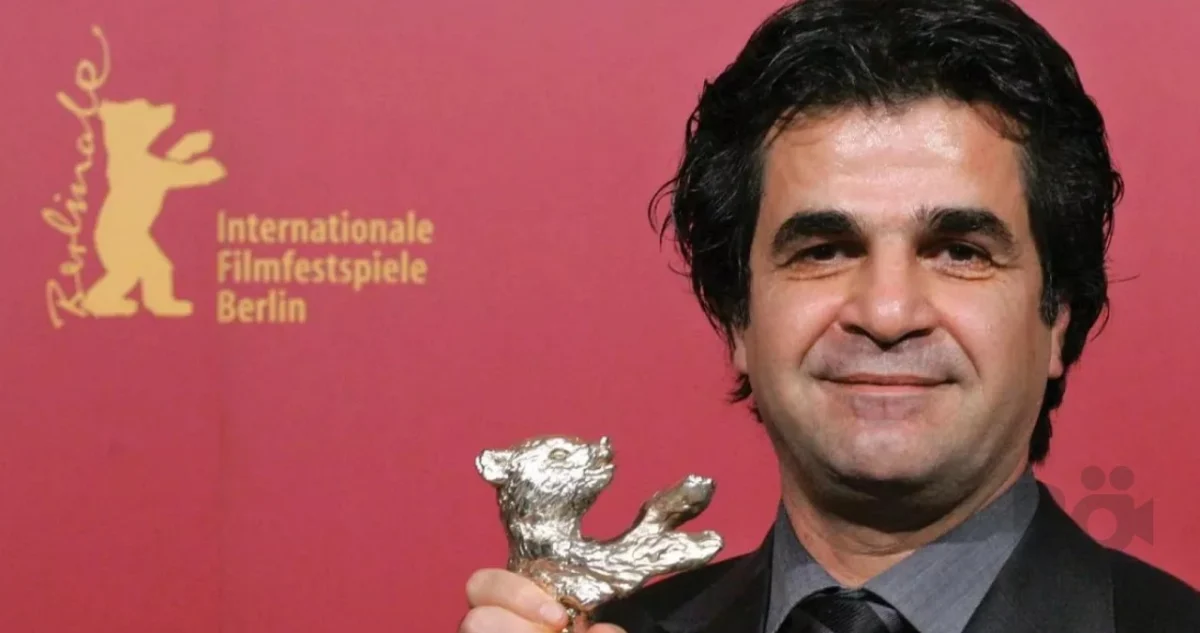
When It Was Just an Accident premiered at the 2025 Cannes Film Festival, it sent a powerful signal. The film didn’t just win the Palme d’Or, it brought the spotlight back to Panahi—a man who’s often worked in silence, under threat, even under house arrest. The win makes him a rare figure: one of only four directors to take the top prize at all three major European festivals (Cannes, Venice, Berlin).
This victory is also symbolic. The last time an Iranian director won Cannes’ top prize was in 1997, with Taste of Cherry by Abbas Kiarostami—Panahi’s mentor, whose shadow still gently hovers over his work. That connection runs deeper than style. It’s a shared belief that even under pressure, cinema can remain an act of resistance.
A Story Shaped by Prison Walls
It Was Just an Accident tells the story of Vahid, a working-class man who, after being imprisoned by the Iranian regime, kidnaps someone he believes tortured him. The film doesn’t seek easy answers. Its strength is precisely in the moral haze it creates: is vengeance ever clean? What does justice look like when institutions have failed? To read Charlize Theron and Taron Egerton face off in 2026’s Apex trailer
The core of the film feels painfully real—because it is. Panahi, imprisoned in 2022 for defying a filmmaking ban, once shared a moment with one of his interrogators. From that unsettling encounter came the idea for the film. He turned rage and memory into tension and cinema.
What truly moves me in this story is how Panahi turns personal trauma into something that isn’t just cathartic—it’s a mirror. A disturbing one, for sure. But one that asks us to think about what people become when silenced for too long.
Made Underground, Seen Worldwide
Because of its political content, much of the production had to be done in secrecy, as has become customary for Panahi. Yet the film found support internationally. France, one of its co-producers, has chosen it as its official nominee for the Best International Feature Film at the next Oscars.
- Co-financed by France, reinforcing Panahi’s place on the global cinema stage
- Second Iranian film ever to win the Palme d’Or, after Taste of Cherry (1997)
- France’s pick for the Oscars in 2026
That international support marks a quiet but vital form of solidarity. Even when Iran tries to silence its directors, the world—at least a part of it—refuses to look away.
An Artist Under Watch, Never Silent
In his interview on The Hollywood Reporter’s Awards Chatter podcast, Panahi opened up about the price of being an artist in Iran. He spoke candidly about his mentorship under Kiarostami, the sting of political persecution, and the endurance required to keep filming—in secret, under surveillance, often without permits or security. To read Ranking Shyamalan’s Hits: Which Film Defines His Legacy?
Despite imprisonment, house arrest, and decades of bans, Panahi keeps making films. That determination isn’t just stubbornness. It’s survival. For him, not making films would be resignation. And he’s not ready to resign.
What I admire most about Panahi isn’t only his courage, it’s his clarity. He knows exactly what he’s risking, and he films anyway. And the result, every time, is a work that touches something deep—in its simplicity, its honesty, and that quiet, pulsing resistance.
Resistance as Artwork
Throughout the podcast, Panahi emphasized two guiding forces in his films: resistance and humanity. That balance is what defines his art. He never forgets the human face behind politics, the fragile truth behind ideologies.
He also expressed a wish, unusually direct for him: that audiences, after seeing the film, would better understand the cost of repression. Not the theory of it—the lived, bruised, irreversible cost. For Panahi, filmmaking isn’t just telling stories. It’s testifying.
At 65, Jafar Panahi remains one of the most vital, politically engaged filmmakers in the world. And maybe, one of the loneliest. But every time a film of his makes it to a screen, whether in Cannes or in secret, we’re reminded that art still matters—even when made in the dark. Especially then.
