
See Unsee summary
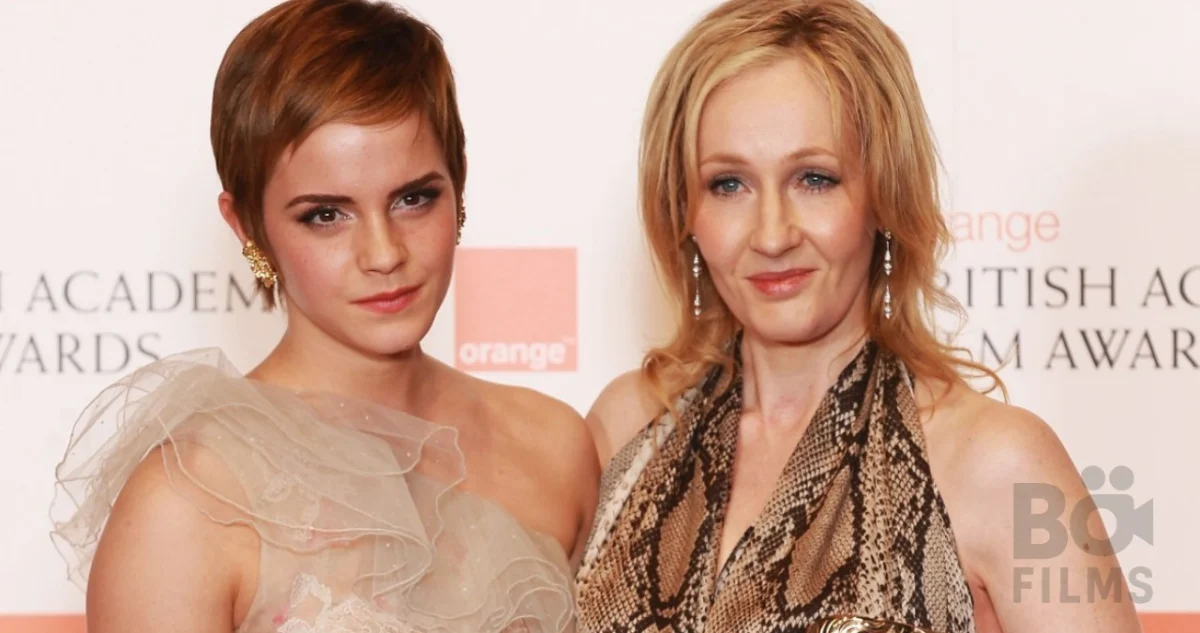
J.K. Rowling sparked fresh controversy with a lengthy post on X (formerly Twitter), attacking actress Emma Watson after the former Harry Potter star discussed their differences over trans rights in a recent podcast. Rowling called Watson “ignorant” and claimed she lacked “real-life experience,” reigniting tensions within the franchise’s legacy. The exchange has intensified a years-long public divide between Rowling and key members of the cast, with fan discourse once again reigniting on social media.
A public fallout over trans rights
Emma Watson recently appeared on Jay Shetty’s podcast, where she gently reflected on her personal need to distance herself from J.K. Rowling and her views on trans rights. Without accusing the author directly, Watson explained how she tries to separate her emotions about the Harry Potter series from Rowling’s controversial public statements.
That interview didn’t sit well with the author. Rowling responded almost immediately, using her personal X account to deliver a scathing critique. She accused Watson of not understanding “the real-life impact” of trans issues, suggesting her privileged background shields her from the complexities of the debate. “I wasn’t a multimillionaire at fourteen,” Rowling wrote. “I lived in poverty while writing the book that made Emma famous.”
Reading those words, it’s hard not to feel the bitterness behind them. Rowling seems less concerned with nuance, and more focused on defending her version of the narrative—that she built something meaningful, and that those who benefitted now reject her. Yet it also reveals an unwillingness to understand how and why those actors distanced themselves from her in the first place. To read Gwen Stefani headlines magical 2025 Disney Christmas Parade
Fractured memories from the Harry Potter era
Rowling didn’t stop at criticizing Watson’s interview. She brought up their shared past, reminding followers that Watson had once sent her a handwritten note during a period when Rowling was receiving threats. The note reportedly said, “I’m so sorry for what you’re going through.” Rowling used this gesture to question why Watson didn’t reach out privately now, since, as she pointed out, “Emma has my number.”
For Rowling, this seems to mark a shift. Whereas she previously held back from publicly confronting the actors who publicly disagreed with her, she now says, “Emma is rightly free to disagree with me… but I have the same right, and I’ve finally decided to exercise it.”
This feels like more than a disagreement—it’s a deep rupture. And for fans of the saga, it reopens wounds that never fully healed.
Actors speak out, fans reassess
It’s worth remembering that Watson isn’t alone in her stance. Daniel Radcliffe and Rupert Grint have also publicly supported the trans community and gently distanced themselves from Rowling’s positions. Their joint statements, especially during the height of the backlash against Rowling, were widely shared and appreciated by fans who felt hurt by the author’s comments.
In Watson’s case, the backlash now touches two sides: To read Toho expands into Europe with bold anime distribution moves
- Critics accuse her of being performative and detached.
- Supporters of Rowling frame her comments as a betrayal.
Yet it’s likely Watson wanted to be measured. In the podcast, she didn’t attack. She spoke from a place of personal conflict—how to hold love for a monumental chapter of one’s life while acknowledging pain caused by its creator. That’s something many Potter fans struggle with too.
As someone who grew up with those films, who lined up for midnight releases, I can tell you this isn’t just celebrity drama. It’s personal. Rowling isn’t just an author for many of us—she was the architect of a world we escaped to. That’s why seeing her publicly turn against the actors who embodied its spirit feels so heavy.
When fiction meets real-world activism
What’s striking in Rowling’s recent message is how she questions the right of actors to speak out on moral grounds when they benefited from her creation. There’s a conflict here between artistic legacy and personal convictions—between loyalty to where you came from, and the values you grow into.
Watson, for her part, seems to be navigating this quietly. But the public response shows how difficult that balance is. At a time when social media turns disagreement into spectacle, every sentence becomes ammunition. And Rowling, who once preferred to let the books speak for themselves, has clearly chosen to speak louder than ever.
The question now is how far this public dispute will ripple within the Harry Potter community, and whether this latest chapter marks a definitive point of no return between its creator and the cast who helped bring her world to life.
