
See Unsee summary
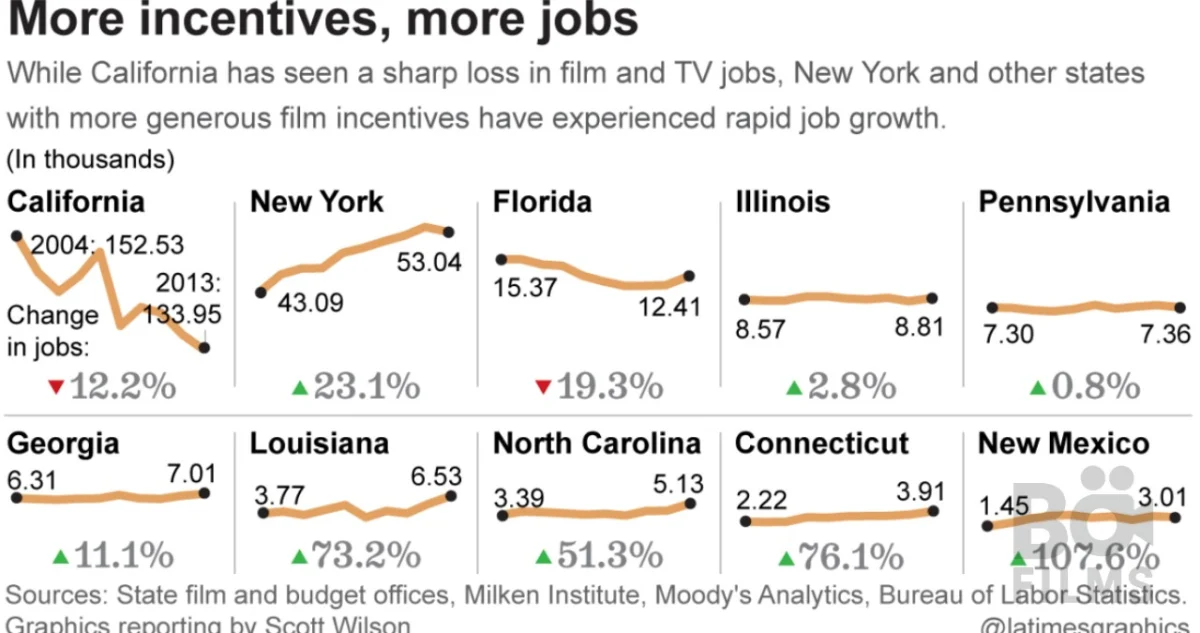
Film and television production in Los Angeles has hit its lowest point in years, with a 13 percent drop in shoot days between July and September 2025. Despite a slight increase in feature film activity, nearly all other categories—especially television—saw steep declines, highlighting the city’s struggle to hold onto its status as a production capital.
TV production takes a hit
Television has long been the backbone of L.A.’s entertainment industry, but that foundation is showing cracks. Between July and September 2025, TV shoot days plunged by more than 20 percent compared to the same period in 2024. The most striking drop came from reality shows, down 67 percent from their five-year average, with just 649 shoot days recorded.
That kind of decline is hard to ignore. Popular shows like Dancing with the Stars, The Price is Right, and Dinner Time Live with David Chang have cut or relocated production, either out of necessity or incentive. For a city known for its studio backlots and recognizable sets, this downturn feels personal.
When you grow up watching Los Angeles on screen—whether it’s a dance floor at CBS or a Kardashian driveway—you forget that real people, real crews, and entire neighborhoods rely on those productions. Watching them vanish is unsettling. To read Gwen Stefani headlines magical 2025 Disney Christmas Parade
The reasons behind the fall
A perfect storm is shaking the industry, and it isn’t limited to any one cause. Three major factors have driven the downturn:
- Increasing labor costs following recent union negotiations
- An overstretched state tax credit program with limited availability
- More generous financial incentives luring productions to other states and countries
To make matters worse, California was still recovering from the aftershocks of the months-long writers and actors strikes. Though those walkouts ended by mid-2024, they sped up decisions to film elsewhere. Once a show leaves, bringing it back isn’t always easy—especially when other places are rolling out red carpets and tax breaks.
A targeted effort to bring productions home
In response, California expanded its tax credit program earlier in 2025, hoping to stop the bleeding. The updated plan includes $3.75 billion in credits over five years, with a sharper focus on theatrical features and scripted series filmed within the state. Already, 22 new projects secured greenlights under this system—including Apple TV’s The Studio and a new HBO series led by Larry David.
Those productions now have 180 days to begin filming, which means the fourth quarter of 2025 and early 2026 could reveal signs of progress.
Philip Sokoloski from FilmLA remains cautiously optimistic, noting early signs that production interest in Los Angeles is on the rise again. Permits are being submitted, locations are being scouted, and crews are preparing for potentially busier months ahead. But we’re not there yet. To read Toho expands into Europe with bold anime distribution moves
A small win on the feature film front
Amid the gloom, one area offers a bit of sunlight: feature films. In a rare bright spot, feature production in L.A. rose by nearly 10 percent year-over-year. This uptick is closely tied to California’s reallocation of some tax credits, prioritizing smaller independent films over large studio projects.
Of the 48 projects that got credit approval earlier this year, only five came from the major studios. It’s a smart, strategic move to keep more nimble productions local—teams that can stretch a dollar and commit to filming where the incentives are clearest.
Seeing L.A. once again become a home base for indie filmmakers reminds me of what made the city’s industry so exciting in the first place: risk-takers, storytellers, and crews building worlds one permit at a time.
Global competition remains fierce
Still, competition isn’t slowing down. Countries like the United Kingdom offer robust incentives that cover above-the-line costs—meaning they’ll even help pay the salaries of directors and stars. That’s a powerful lure for big-budget productions deciding where to shoot their next scene.
For L.A., that’s hard to beat. It’s not just about weather or palm trees anymore—it’s about math. And right now, the numbers aren’t playing in California’s favor.
Protecting L.A.’s creative future
Despite it all, industry insiders aren’t giving up. FilmLA and state leaders are working to streamline the city’s permitting process and improve collaboration between government and the entertainment sector. These aren’t flashy fixes, but they lay groundwork for a more sustainable production-friendly environment.
As someone who loves watching stories unfold in this city—its streets, its skies, its unforgettable light—I want to believe L.A. can find its footing again. Because behind every production halted or relocated, there’s a crew waiting to get back to work, and a city waiting to see itself on screen again.
Globally, the tide is shifting. According to ProdPro, production increased 11 percent worldwide in the third quarter of 2025. Whether L.A. can reclaim its part in that growth depends on the next few months. The frame is paused—but the story isn’t over.
