
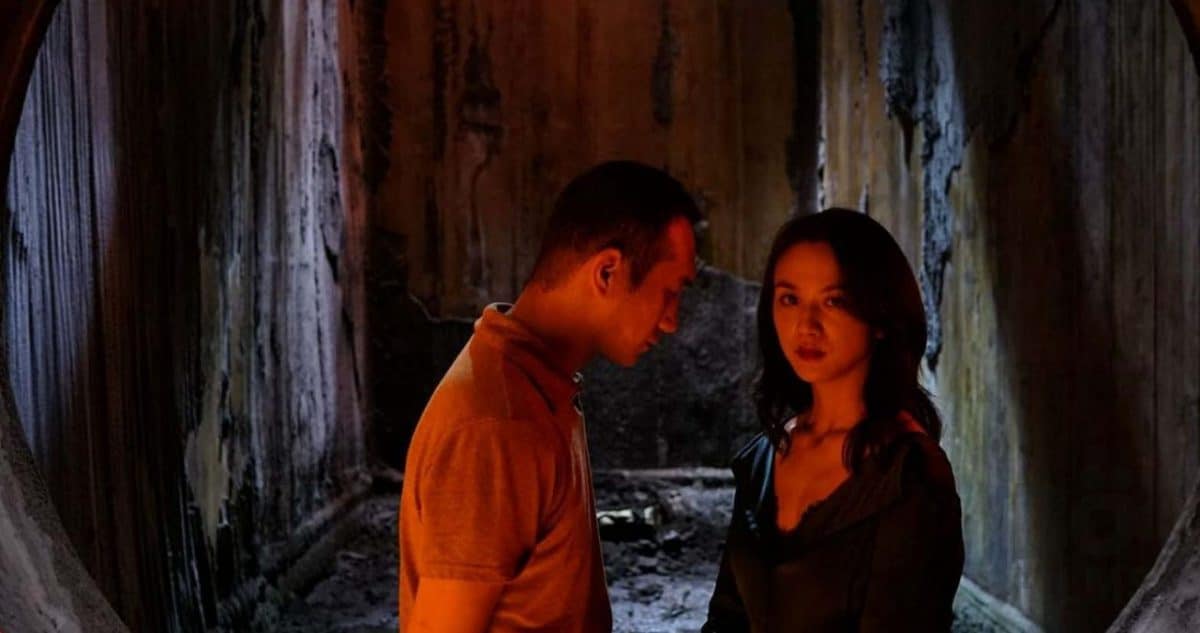
In 2015, Bi Gan captivated cinema lovers with Kaili Blues, a film that featured an impressive 41-minute single take, weaving through the village of Kaili and blending the past, present, and future of a character’s life. By 2019, he had once again mesmerized audiences with Long Day’s Journey into Night.
A Dreamlike Exploration
Bi Gan’s work in Long Day’s Journey into Night continues his fascination with time and memory. The film is an intricate tapestry of dreams and reality, where each scene unfolds like a memory being gently unraveled. Viewers are taken on a journey through the protagonist’s fragmented recollections, with stunning visuals that linger in the mind. This is cinema that feels more like a dream than a narrative.
- The film features another ambitious long take, this time lasting nearly an hour, immersing the audience in its surreal world.
- The use of 3D adds depth to the experience, making it both visually and emotionally intense.
- Themes of love and loss are interwoven throughout, resonating deeply with those who have ever pondered life’s fleeting moments.
As someone who has been passionate about cinema since childhood, I find Bi Gan’s ability to craft engaging visual poetry both inspiring and invigorating. His films remind me why I fell in love with movies in the first place: their power to transport us to another world.
Bi Gan has created a cinematic experience that challenges traditional storytelling. With minimal dialogue and a focus on visual storytelling, he encourages viewers to lose themselves in the film’s atmosphere. It’s a bold choice that may not appeal to everyone but offers something truly special for those willing to embrace it.