
See Unsee summary
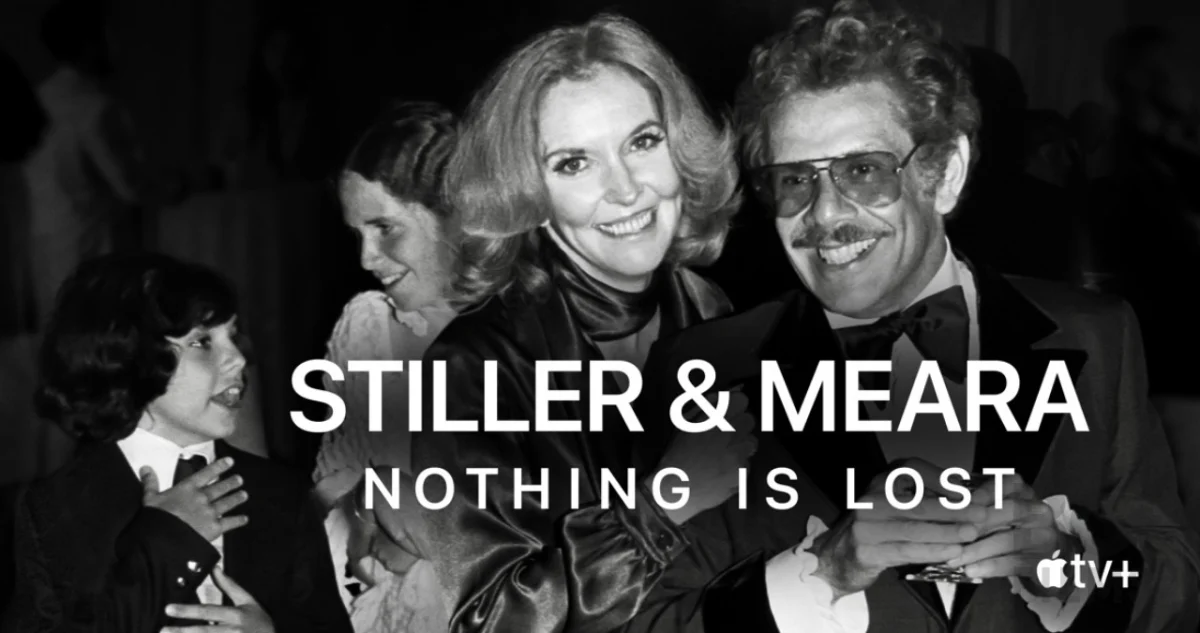
Ben Stiller offers an intimate, vulnerable portrait of his legendary parents in the new documentary Stiller & Meara: Nothing Is Lost, which recently premiered at the New York Film Festival and arrives soon in theaters and on Apple TV+. More than an homage, this is a deeply personal excavation of legacy, family bonds, and creative tension.
A Look Back at a Beloved Comedy Duo
Jerry Stiller and Anne Meara were a staple of mid-20th-century American comedy—a real-life couple whose quick wit and off-beat chemistry earned them recurring slots on The Ed Sullivan Show and the admiration of audiences for decades. Beyond their act, they were parents trying to raise a family while navigating the emotional and professional highs and lows of show business.
Jerry, often remembered now for his explosive and hilarious role as Frank Costanza on Seinfeld, grew up chasing validation. Stiller shows how this need was rooted in a childhood marked by neglect and hardship. Anne, for her part, carried wounds of her own; the death of her mother by suicide and her later struggle with alcoholism cast long shadows over her life and career.
Ben Stiller brings both tenderness and honesty to his portrayal of their lives, deliberately refusing to sentimentalize what was clearly a complicated, at times painful, family dynamic. To read Charlize Theron and Taron Egerton face off in 2026’s Apex trailer
Behind the Laughter: The Cost of Creativity
The documentary doesn’t shy away from showing how comedy, for Jerry and Anne, was both a bond and a burden. Their creative partnership often consumed them, leaving little space for a more conventional home life. Anne’s battle with alcohol and Jerry’s obsessive work ethic are explored with care, yet without sugarcoating.
What stands out is the balance Stiller manages to strike. He celebrates his parents’ brilliance while acknowledging the ways that same brilliance spilled over into their parenting, sometimes in damaging ways. Jerry’s unconditional devotion to Anne is portrayed with nuance—it’s touching, certainly, but also raises questions about enabling and self-sacrifice.
As someone who grew up watching Ben Stiller in comedies, it’s striking to see him peel back these layers not just as a filmmaker, but as a son returning to places that are still emotionally charged.
When the Camera Turns Toward the Present
The film is at its most moving when Ben Stiller steps into the frame—not physically, but emotionally. In one of the documentary’s most powerful moments, his son Quin, now 20, tells him candidly that he and his sister often felt second to their father’s career. It’s a moment that, as a viewer, hits hard.
Stiller’s reaction, shared in a Q&A session after the screening, adds a layer of complexity: “As a filmmaker I think, ‘this is a good moment for the movie.’ But personally it’s, ‘oh that sucks.’” It’s this kind of raw self-awareness that gives the film its unique texture. To read Ranking Shyamalan’s Hits: Which Film Defines His Legacy?
Quin, joking from the audience later, called the film “terrible,” before softening with, “I mean, it’s great.” That small exchange sums up the film’s tone: honest, vulnerable, and aware of the emotional stakes.
The Space That Held It All
Most of the film is rooted in one deeply symbolic location: the Stiller family’s Upper West Side apartment. Following Jerry’s death in 2020, amid the stillness of the pandemic, Ben and his sister Amy returned there to sort through decades of memories and belongings.
Originally, Ben thought this might just be a private project—some archival footage to hold onto. But as he sifted through his parents’ lives, something larger took shape: a reflection not just on family, but on what it means to remember and to move forward.
The apartment becomes a silent co-star in the film—a space that carries the voices, arguments, laughter, and creative tension of a family that, even when fractured, always came back together.
Voices in the Present: Christine Taylor and Amy Stiller
The presence of Christine Taylor, Ben’s wife and longtime collaborator, brings another important layer. She offers thoughtful insights into being both a partner in life and in creation—a mirror of what Jerry and Anne went through decades earlier.
Amy Stiller, Ben’s sister, also appears, helping to explore what it meant to grow up in a household shaped by public performance and private struggle. Together, their voices round out a portrait that feels multi-dimensional and human, not just a tribute.
Moments and Themes That Stay With You
If there’s one strength that stays with you after watching, it’s the way the film captures both the chaos and comfort of family life. It’s not all catharsis and confrontation—there are quiet, often poignant moments that reveal who Anne and Jerry were when the stage lights dimmed.
Some of the themes that run through the documentary:
- The line between public persona and private self
- How trauma ripples through generations
- The balance between artistic ambition and family responsibilities
- Love’s endurance, even when tested
Ben Stiller doesn’t pretend to have all the answers, and the film is better for it. There’s no neat resolution, just a feeling that it’s okay to sit with the mess, to try to understand, and to keep going.
A Personal Eulogy and a Universal Story
By the film’s end, the title Nothing Is Lost begins to resonate fully. Memories may blur, the apartment may be emptied, but what mattered most—love, pain, laughter, questions left unanswered—remains.
In interviews, Stiller admits his mother might have liked the film, while his father would probably find it too personal. And maybe that’s the final, unresolvable tension at the heart of it: the difference between remembering and revealing.
The documentary doesn’t just honor Jerry Stiller and Anne Meara—it asks what it means to live in their shadow, to love deeply, and to reckon with everything you inherit from your parents, the good and the hard. For me, this is where cinema taps into something universal: the need to say, even quietly, “I was here too.”
