
See Unsee summary
The BBC has been found in serious breach of broadcasting rules over its documentary Gaza: How to Survive a Warzone. British media regulator Ofcom ruled the film misled audiences by failing to disclose that one of its central voices was the child of a senior Hamas official. The error has sparked debate far beyond editorial circles.
Misleading Viewers and Breaking Editorial Rules
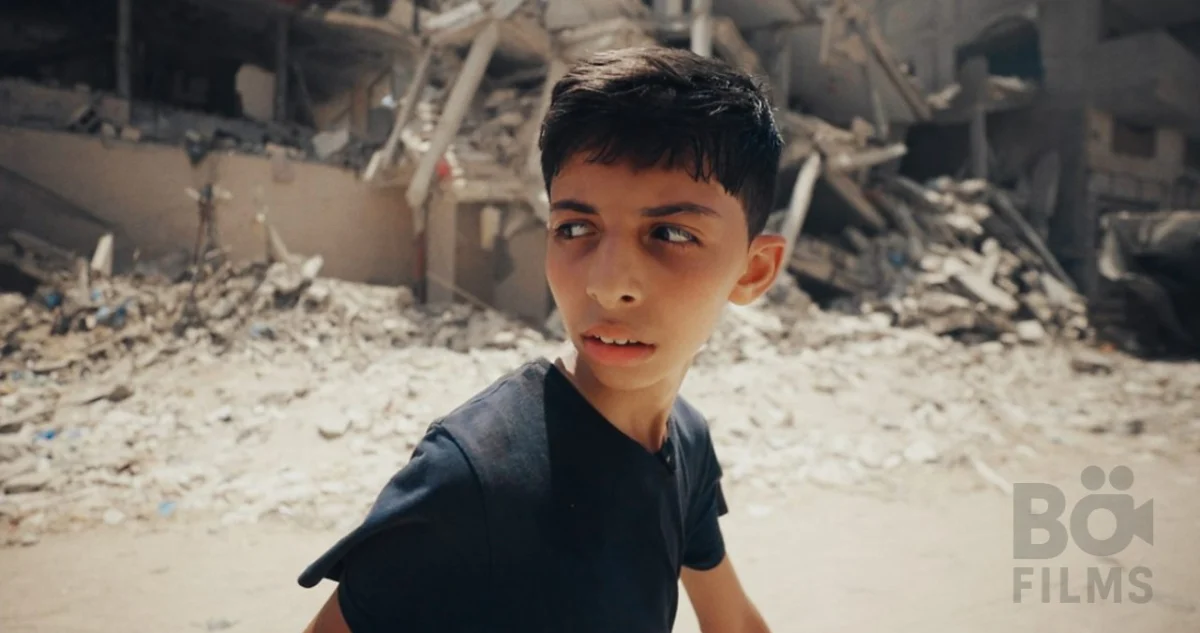
At the heart of the controversy is 13-year-old Abdullah Al-Yazouri, who features prominently as a narrator in the documentary. As Ofcom pointed out, viewers were not informed that the boy is the son of a senior Hamas figure. That omission was deemed “materially misleading” by the regulator, especially given the documentary’s focus on the human experience of children amid the Israel-Gaza conflict.
Ofcom considered this a serious violation of the public’s trust, particularly because the film aired on BBC – a broadcaster known for its rigorous editorial standards. As a direct consequence, the BBC is now required to issue a live on-air statement acknowledging the breach.
What strikes me here is how fundamental trust is when watching a documentary, especially one that deals with such a sensitive and painfully human topic. When that trust is broken, it doesn’t just damage the BBC’s credibility—it confuses audiences trying to understand a complex, heartbreaking conflict. To read Gwen Stefani headlines magical 2025 Disney Christmas Parade
Flawed Production and Oversight Breakdowns
The situation became even more complex after the BBC carried out its own internal review, led by Peter Johnston, a former BBC News executive. His investigation revealed that the film’s production violated the broadcaster’s editorial guidelines on accuracy. While it stopped short of accusing the filmmakers of deliberate misleading, the report criticized both BBC staff and Hoyo Films for failing to check key background information.
The scale of the oversight is difficult to ignore:
- Over 5,000 documents were reviewed during production
- 150 hours of footage were gathered
- The project spanned ten months of development
And yet, this crucial detail slipped through. According to the internal findings, responsibility rested primarily with Hoyo Films, but the BBC clearly accepted its share. Tim Davie, the BBC’s Director-General, admitted to the failures and announced several changes: strengthened background checks on contributors, tighter control over content, and the cessation of work with Hoyo Films.
Even as someone who appreciates the challenges of documentary work in warzones, I can’t help but feel this was a breakdown of editorial responsibility. When transparency falters, the entire message of a piece like this one becomes cloudy—even if its original goal was noble.
The Industry Reacts: Support and Backlash
The BBC’s decision to remove the film from iPlayer and publicly apologize has sparked criticism from within the entertainment world. A public letter written in support of the documentary and its children-focused message gathered signatures from notable artists and figures including Riz Ahmed, Miriam Margolyes, Khalid Abdalla, filmmaker Mike Leigh, and former footballer Gary Lineker. To read Toho expands into Europe with bold anime distribution moves
This open letter didn’t shy away from political implications. It asked for the reinstatement of the documentary and warned against what the signatories described as “partisan political interference” in public broadcasting. Their message was clear: the film’s central concern—how children survive war—should not be overshadowed by wider political narratives or unintentional mistakes.
It’s a difficult line to walk. As a viewer, I think both truths can coexist: editorial rigor must be upheld, particularly on such sensitive matters, and yet we can’t lose sight of the human stories in the process. I can understand the frustrations of the artists who feel the BBC’s response may have been more damaging than the initial mistake.
What This Means Going Forward
The fallout from this documentary is not just one more chapter in media accountability. It touches something deeper: our relationship with public broadcasters, the reliability of the information they present, and the emotional power of storytelling within conflict zones.
For me, this case is a reminder of the weight carried by every frame in a documentary. When done right, storytelling illuminates hard truths and amplifies unheard voices. But every detail matters—especially when trust, and the reality of a war-torn region, hang in the balance.
