
See Unsee summary
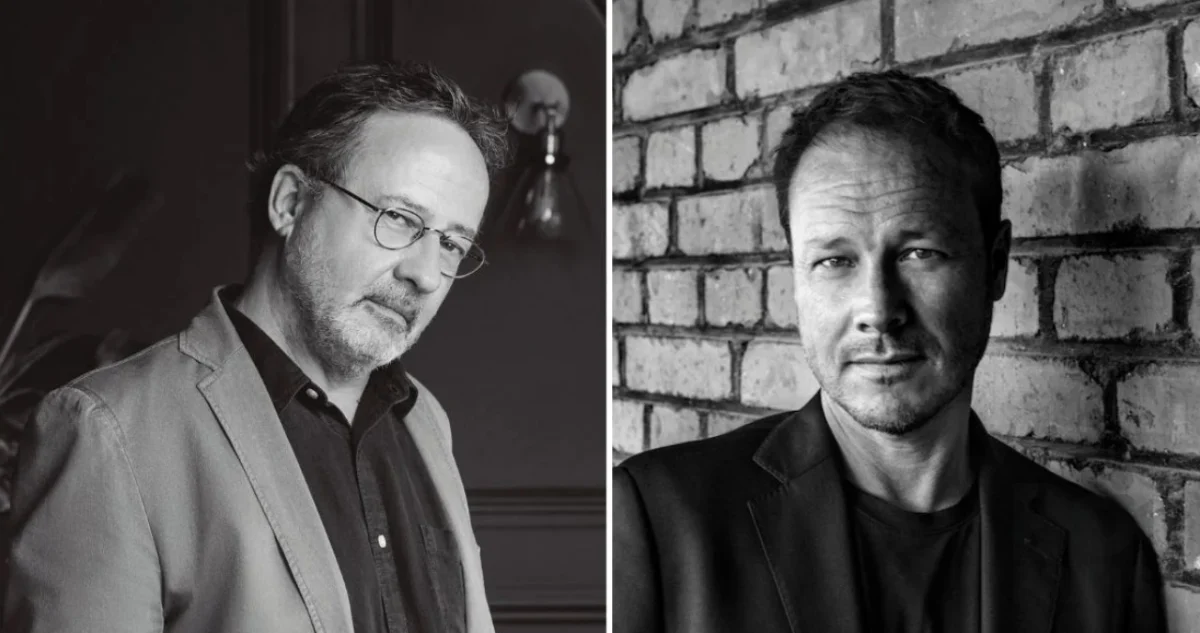
With over 1,000 hours of scripted content produced in recent years, Banijay has become the leading force in European storytelling. As MIPCOM approaches, Johannes Jensen, co-head of scripted at Banijay, sheds light on the company’s evolving strategy: a mix of bold creativity, smart growth, and deep trust in local talent.
A European Giant with a Global Vision
Working with over 60 labels across more than 20 countries, Banijay isn’t just delivering quantity—it’s investing in distinctive voices and diverse perspectives. Johannes Jensen, who leads Banijay’s scripted division alongside Steve Matthews (head of scripted creative), explains their mission clearly: nurture fresh storytelling while growing recognizable intellectual property.
“We want bold, new stories,” Jensen says. But he’s not just chasing novelty—he’s also thinking long-term. That means developing series that can travel, resonate culturally, and return for more seasons. In a world where everyone competes for audience attention, that blend of risk-taking and structure feels essential.
I appreciate this kind of balance. It’s often tempting to chase trends or awards. But Banijay seems focused on letting talent speak, while still building frameworks that allow sustainability. And that shows in the eclectic nature of the projects they’re backing. To read Pluribus finale shocks fans as season 2 faces long wait
Highlights from Banijay’s Scripted Slate
Jensen offered a snapshot of what Banijay has been cooking up lately, and the diversity is striking—period dramas, reboots, emotional thrillers, and romances, spread across platforms and styles. Here are some notable series either launched or in production across their network:
- House of Guinness, a historical drama crafted for Netflix.
- The Buccaneers, streaming on Apple TV+, recently renewed for a third season.
- The return of UK titles like Bergerac and SAS: Rogue Heroes.
- The Law According to Lidia Poët, an Italian legal drama.
- Montmartre, a new French series set against a rich historical and artistic backdrop.
- Culpa Nuestra, closing out the Spanish Culpa trilogy on Prime Video.
- Half Man, a British drama about fractured brotherhood, starring Richard Gadd and Jamie Bell.
- Falling, written by Jack Thorne (His Dark Materials), with Keeley Hawes and Paapa Essiedu as a nun and priest who fall for each other.
- A bold new take on the Wallander franchise, with Gustaf Skarsgård in the lead, featuring three 90-minute films based on Henning Mankell’s novels.
What excites me about this lineup is the mix of risk and comfort. There are revisited classics with big expectations (like Wallander), but also daring personal stories like Falling, which promise emotional complexity more than spectacle. That’s where European productions often shine—and Banijay isn’t shying away from that identity.
Facing a Changing Market
The landscape Jensen describes is anything but stable. Rising production costs and more conservative financing models are forcing producers to be inventive. Yet Banijay continues to invest in high-end drama to stand out on the international stage.
Jensen doesn’t downplay the challenges, but he’s also not alarmed. He sees opportunity in the shift: a moment to choose quality over volume, to better understand what stories matter and why. In his words, the goal is to remain “ambitious but smart.”
For viewers, this could be good news. If platforms and producers begin favoring tighter storytelling, more authentic characters, and fewer bloated series driven only by metrics, there’s real creative potential ahead. To read Taylor Swift opens up in final Eras Tour docuseries episode
Closer Ties to Streamers—and to Local Strength
Jensen also points out how global streamers are no longer just content factories—they’re collaborators in storytelling. In Banijay’s strongest territories like the UK, France, Germany, Italy, Spain, and the Nordics, working with both streamers and local broadcasters is now key. What’s shifting is the ecosystem: platforms that once operated in parallel to traditional players are now fully integrated into the production strategy.
I find this particularly exciting when it comes to regional storytelling. A series can start with a local flavor and, through the right partnership, find relevance internationally without losing its roots. That hybrid space between intimate and global is where some of the most powerful series of recent years have come from.
The Role of AI: Tool, Not Muse
On whether artificial intelligence could play a part in Banijay’s creative future, Jensen stays cautious. He sees AI more as a support system—“like smartphones” in their early days—than as a creative driver.
It’s a grounded perspective, and one I share. AI has plenty to offer, especially in logistical processes like scheduling or editing assistance. But when it comes to invention, feeling, and nuance—what makes a story truly stick—human experience still leads.
Looking Ahead
As tastes change and platforms evolve, Banijay’s strategy is increasingly clear: trust creators, adapt smartly, and deliver with intention. With Jensen steering scripted content alongside a broader team of creatives and strategists, the studio seems well positioned to keep telling stories that matter—locally rooted, globally resonant, and, above all, human.
