
See Unsee summary
Apple’s streaming platform is changing gears. Six years after its launch, Apple TV+ has dropped the “+” to become simply Apple TV—a rebrand that’s more than cosmetic. Backed by major sports deals, strategic partnerships, and a push for broader exposure, Apple is positioning itself more aggressively in the crowded streaming space.
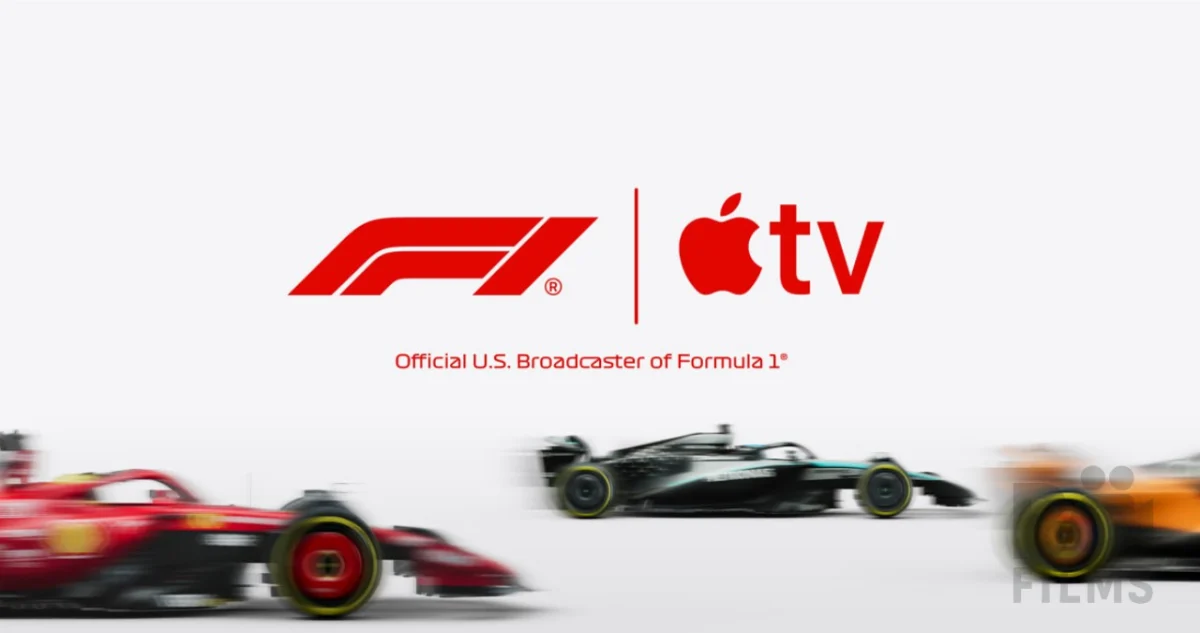
A big-name partnership with Formula 1
One of the headline moves in this transformation: a record-setting $750 million deal for exclusive U.S. broadcasting rights to Formula 1. That’s not just a flashy acquisition; it’s a signal that Apple wants to become a serious sports player. Sports draw loyal viewers, and Formula 1 in particular has surged in popularity in recent years—especially among younger audiences.
Eddy Cue, Apple’s head of services, didn’t hide his excitement: “This is something that we’ve dreamed of.” The deal means Apple TV users in the U.S. will get access to every Formula 1 event, with the promise of an enhanced viewing experience via the Apple TV app.
As someone who usually gravitates more toward fiction than sports, I have to admit: this kind of move makes me curious. Not just about racing, but about how Apple will fuse its tech know-how with the energy of live sports broadcasting. To read Pluribus finale shocks fans as season 2 faces long wait
Growing beyond originals
Apple TV carved out its identity with prestige originals—series like Ted Lasso and Severance—but the platform has struggled to deliver a true blockbuster in terms of viewer numbers. Unlike rivals like Netflix or Prime Video, Apple TV has yet to crack Nielsen’s top 10 streaming chart.
To change that, Apple is branching out, notably through a bundling deal with NBCUniversal. A new bundle combining Apple TV and Peacock marks Apple’s first major collaboration with a competitor. It’s a smart play: bundling increases visibility and reduces churn. And with platforms multiplying, viewers are more open than ever to packages that simplify their choices.
Oliver Schusser, Apple’s VP of Apple TV, didn’t mince words: this partnership is about reaching “more viewers in more places.”
Strategic alliances and extended reach
These aren’t the only partnerships Apple’s been crafting. The platform recently landed on Amazon’s Prime Video Channels, integrating itself into one of the most powerful distribution networks out there. It also teamed up with JPMorgan Chase to offer complimentary Apple TV and Music subscriptions to Sapphire Reserve cardholders—a clear attempt to expand its presence in users’ everyday lives.
For a company that once insisted on building its own walled garden, these moves show a real shift. Apple seems ready to meet people where they already are. To read Taylor Swift opens up in final Eras Tour docuseries episode
And honestly, seeing Apple play this kind of long game is intriguing. It’s not about overnight domination—it’s about settling in for the marathon.
What’s next for pricing and ads?
While Apple doesn’t share subscriber numbers publicly, Eddy Cue recently stated that subscriptions are “substantially more” than the 45 million estimate circulating a few months ago. That’s vague, sure, but it hints at growth. Still, rising costs could complicate things. A 30 percent price hike is planned for August 2025.
This raises a big question: will Apple TV launch an ad-supported tier, like nearly every other major streamer has done? Currently, only sports events carry limited ads, and none appear during live racing segments. But with increasing production costs and platform expansion, an ad tier seems inevitable.
If they keep the core user experience clean, I could see that working. For now, there’s something reassuring about Apple holding out—but let’s be real, the pressure is building.
Talent support and creative visibility
One positive signal: how warmly the creative community has responded to Apple’s latest steps. Ben Stiller, director and producer of Severance, said it pretty clearly: “More people get to see our show.” In today’s crowded streaming world, discovery is half the battle. Even the best series can get buried if the platform doesn’t have enough reach.
For creators who want to see their work watched and discussed, Apple’s expansion isn’t just about business—it’s about staying visible.
An evolving identity
Apple’s transformation isn’t just strategic, it’s cultural. Stefano Domenicali, CEO of Formula 1, summed it up: Apple is no longer just a name in tech—it’s about “social relevancy.”
Here’s what Apple TV’s new chapter looks like so far:
- A fresh identity with a streamlined name: Apple TV
- Exclusive Formula 1 rights in the U.S., attracting sports fans
- A bundling partnership with Peacock to broaden reach
- Integration into Prime Video Channels and Chase card perks
- Continued development of high-quality original content
- Renewed focus on making shows like Severance more discoverable
- Possible introduction of an ad-supported tier in the future
As someone who’s followed Apple TV since its quiet beginnings, it’s fascinating to watch this evolution from niche prestige platform to mass-market contender. There may not be a “Stranger Things” or a “Succession” yet, but the pieces are starting to fall into place.
