
See Unsee summary
Apple is officially dropping the “plus” from its streaming service Apple TV+. From now on, it will simply be called Apple TV. This rebranding aims to reinforce the platform’s identity in a saturated market, but it also raises a real question: how do users differentiate between the streaming service, the app, and the physical device—all called Apple TV?
Apple TV becomes… Apple TV
The change wasn’t announced with great fanfare. In fact, it appeared quietly in a press release unveiling the release date for Apple’s ambitious Formula 1 movie starring Brad Pitt. The film is set to premiere on December 12, 2025. Within that announcement, the streaming service was simply referred to as Apple TV, without the trademark “+” that’s defined it since 2019.
For those following the evolution of the platform, this is more than a small cosmetic tweak. Apple TV+ has managed, since its launch, to carve out a distinct place in the prestige streaming world, with series like Ted Lasso, Severance, and Pachinko. Yet by abandoning the “+”, Apple risks blurring its offer with its physical Apple TV device first launched in 2007, and with the Apple TV app available on smart TVs, iPads, and iPhones.
Even now, the app still displays the “Apple TV+” logo, which makes the whole thing feel like it’s caught between two worlds. As a viewer and tech user, I had to reread the press release twice to fully grasp the new identity. To read Pluribus finale shocks fans as season 2 faces long wait
A trend across streaming platforms
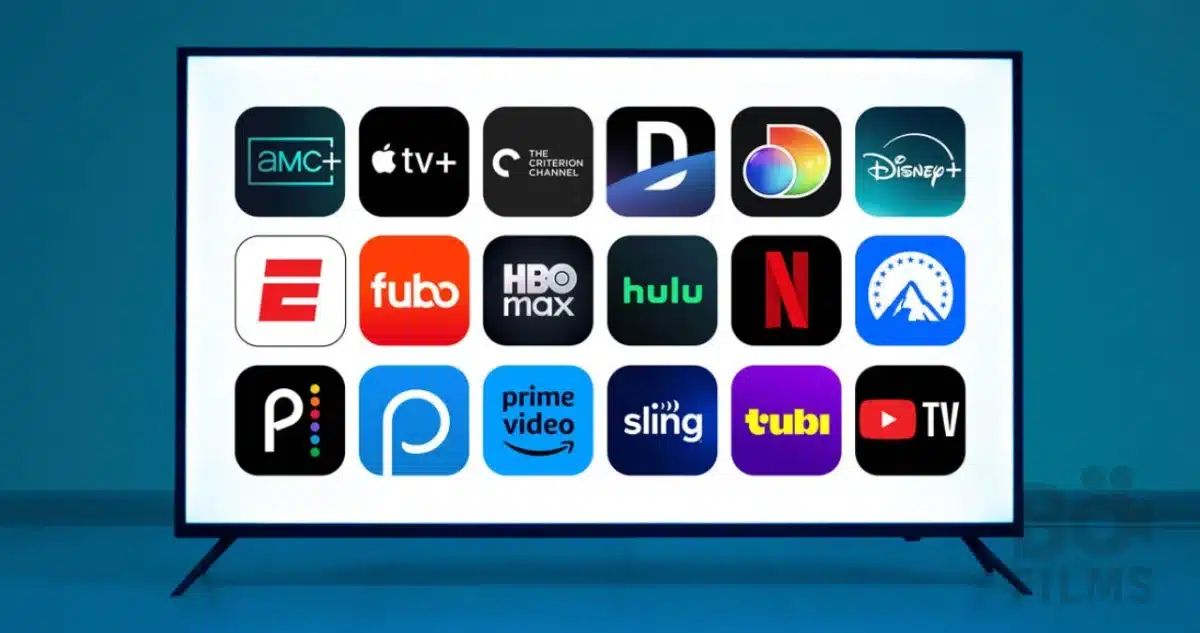
Apple isn’t the only player quietly reshaping its streaming branding. ESPN led the charge by transitioning from ESPN+ to simply ESPN as of August 2025, launching a new direct-to-consumer platform that blends premium content with access to live TV streams. CNN is taking a similar route after the failure of CNN+, preparing a standalone streaming service also named, quite simply, CNN.
The trend is clear: we’re moving away from the “plus” era toward cleaner brand identities that mirror the core business. Even if this means making things slightly messier for consumers.
To put things in perspective, here’s a quick look back at notable “+” services:
- Hulu Plus (2010): one of the first to test the naming trend.
- Disney+ (2019): the one that made the “plus” branding mainstream.
- Apple TV+ (2019): launched just 11 days before Disney+, but announced its name 4 months later.
- Other platforms still keeping the naming: BET+, AMC+, Discovery+, Paramount+.
I remember when these names made services feel sleek and innovative. Now, they mostly feel outdated or redundant. So in that sense, Apple’s move makes sense. But it does demand a little mental recalibration.
A change with deeper meaning?
For analysts in the industry, Apple’s quiet rebrand could signal deeper strategic changes. One idea gaining credibility: the arrival of an ad-supported version of Apple TV. That would align Apple with platforms like Netflix, Disney+, and Max, all of which have introduced cheaper plans with advertising in the past year. To read Taylor Swift opens up in final Eras Tour docuseries episode
Apple is already familiar with ad-based content, particularly through its MLS Season Pass, where commercial breaks are part of the experience. Over the past years, the company has also recruited numerous experts from the advertising world—another clue that this path is being considered seriously.
It fits with Apple’s current economics. The price of the subscription was recently raised from $9.99 to $12.99 per month. But it’s clear that Apple doesn’t see the streaming service as a major profit center. Its main value seems to be as part of the broader Apple One bundle, enriching the Apple ecosystem rather than needing to stand out on its own.
What doesn’t change: the content
Fortunately, nothing’s changing on the creative front. Series like Severance (still patiently waiting for season 2), Ted Lasso, and Slow Horses remain at the heart of the offer. The same platform, new name.
That said, the situation has become mildly absurd. For example, you now watch Ted Lasso on Apple TV, through the Apple TV app, on your Apple TV device. It’s hard not to smile at the tautology.
For me, what makes Apple TV (the service!) work has always been its focused curation. Not many shows, but a high level of ambition. Even if not everything hits the mark, you can feel a commitment to quality. I just hope this change isn’t the beginning of a blurrier roadmap ahead.
